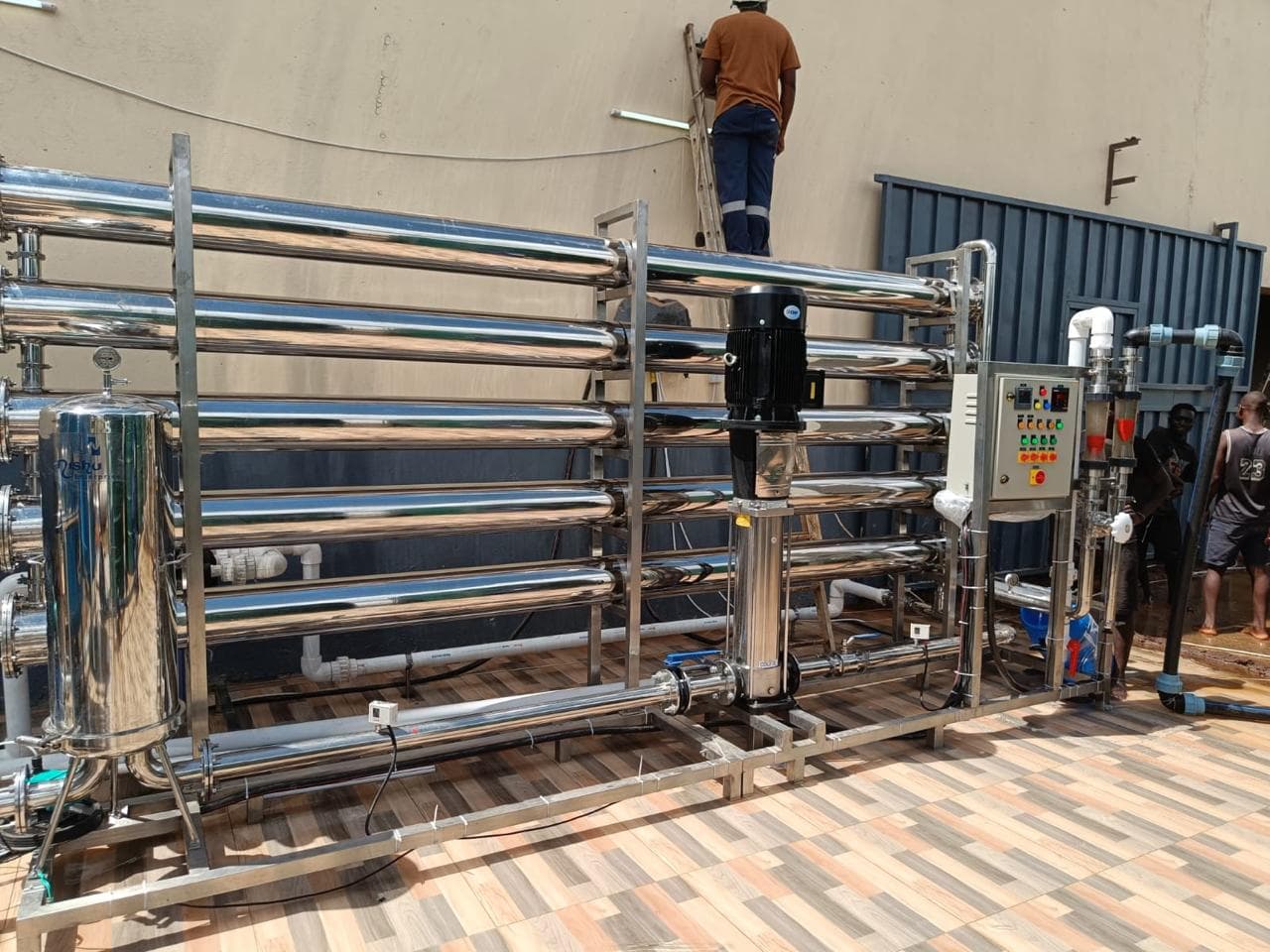
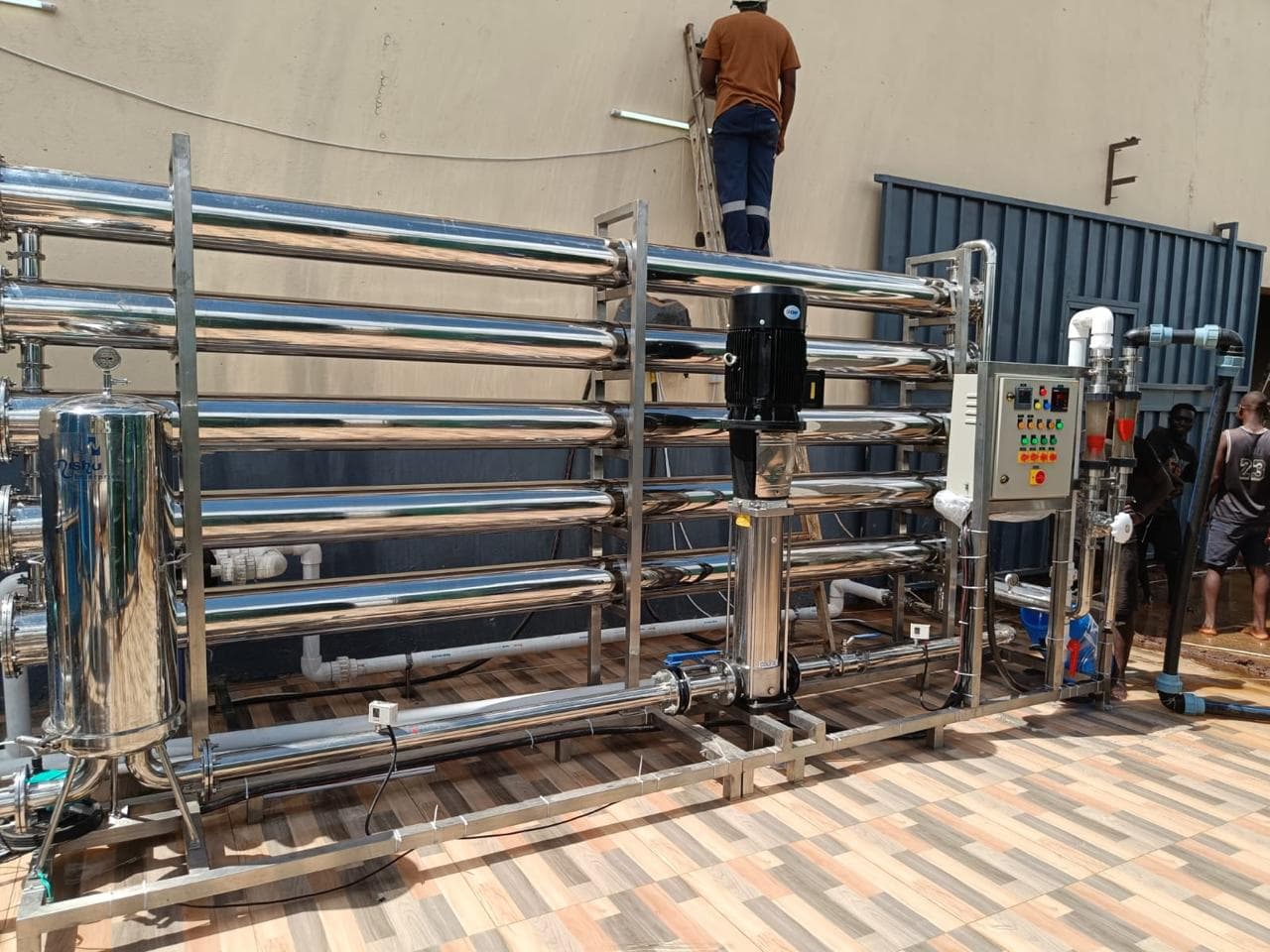
Industrial RO Plant AMC: What It Should Cover and How to Choose One
What an annual maintenance contract for an industrial RO plant should include: visit frequency, checks, cleaning triggers, exclusions and how the price is built.
By Nishu Enterprises engineering team
Published · 7 min read
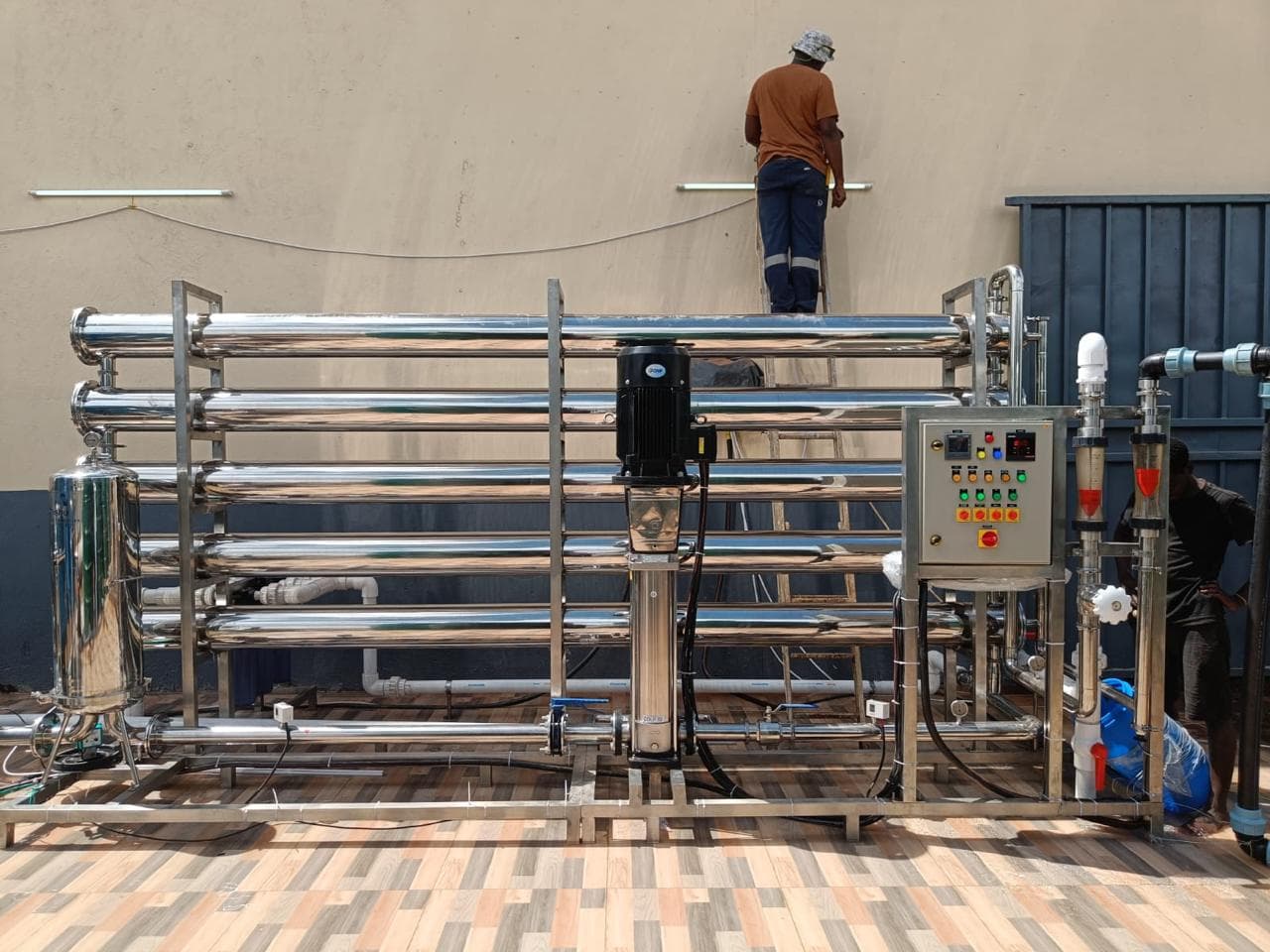
Search for "RO AMC" and most results are for home water purifiers: a filter change and a visit a quarter. An industrial RO plant is a different machine. It runs for hours a day, feeds a process or a bottling line, and loses output slowly until someone notices. A useful AMC catches that decline early and keeps the plant at its rated output.
Part of our buyer's guides. See our AMC and plant maintenance service →
Comprehensive or non-comprehensive?
Contracts come in two broad forms. Read the exclusions carefully in both.
| Non-comprehensive (labour) | Comprehensive | |
|---|---|---|
| Scheduled visits and checks | Included | Included |
| Breakdown visits | Usually included | Included |
| Replacement parts | Charged separately | Included, with listed exclusions |
| Consumables (cartridges, chemicals) | Charged separately | Sometimes included; check |
| Membranes and resin | Charged separately | Usually excluded or covered only in part |
| Price | Lower | Higher, but predictable |
What each visit should cover
- Review of the operating log since the last visit.
- Feed, permeate and reject flows, and pressures across each stage and across the cartridge filter.
- Feed and permeate TDS or conductivity, and feed water temperature.
- Pre-treatment: backwash of sand and carbon filters, softener regeneration and hardness at the outlet, cartridge condition.
- Dosing pumps: stroke, chemical level and actual dose.
- High-pressure pump: noise, vibration, motor current and seal leaks.
- Instruments and trips: gauges, flow meters, conductivity meter and pressure switches checked or calibrated.
- A written visit report with readings, findings and anything needing action.
When membranes should be cleaned
Membranes should be cleaned on evidence, not on a calendar. Readings must first be normalised, that is corrected for feed temperature and pressure, because cold water alone lowers output. Membrane makers commonly advise cleaning when, compared with the plant's own baseline:
- normalised permeate flow has fallen by about 10%;
- normalised salt passage (the share of dissolved solids getting through) has risen by 5 to 10%; or
- the pressure drop across a stage has risen by about 15%.
Cleaning late is expensive. Fouling that is left too long may not come off at all, and the membranes then have to be replaced early. A contract that tracks normalised readings every visit pays for itself here.
What the plant's own team has to do
An AMC cannot replace daily attention. The operator should record, every shift: feed, permeate and reject flow; pressures before and after the cartridge filter and across the membranes; feed and permeate TDS; feed temperature; and any trips or alarms. Those log sheets are what let the service engineer see a trend rather than a snapshot.
What usually sits outside the contract
- Damage from a change in feed water source or quality that was not notified.
- Faults in the power supply, civil work or plumbing outside the plant.
- Membranes and resin, beyond what the contract states.
- Damage from running the plant dry, without pre-treatment or with dosing switched off.
- Modifications or capacity increases.
How the price is built
AMC prices for industrial plants depend on plant size and type, the number of scheduled visits, the distance to site, the response time promised for breakdowns and which parts and consumables are included. When comparing offers, put these side by side rather than comparing the annual figure alone. A cheap contract with two visits a year and no readings recorded is not the same service as a monthly visit with a written report.
Questions to ask before you sign
- How many scheduled visits a year, and what is checked on each?
- What is the response time for a breakdown, and is it written into the contract?
- Will we receive a written report with readings after every visit?
- Which parts and consumables are included, and which are charged?
- How are membrane cleaning and membrane replacement handled?
- Are genuine spares used, and are common spares kept in stock?
- Will you survey a plant built by another supplier before quoting?
A plant built by another company can usually be taken into a contract, but a good service provider will survey it first: check the pre-treatment, instruments and membrane condition, and agree a baseline before the contract starts. That baseline is what every later reading is measured against.
Next step
Need this specified for your site?
Send us your water analysis and daily requirement and we will size the plant before quoting.