Industrial Water Softener Plant Manufacturer
We manufacture industrial and commercial water softening plants that remove the calcium and magnesium hardness behind scale in boilers, cooling towers, hotels, housing societies and process equipment. Automatic FRP and stainless steel softeners, built in Vasai, Mumbai since 1996.
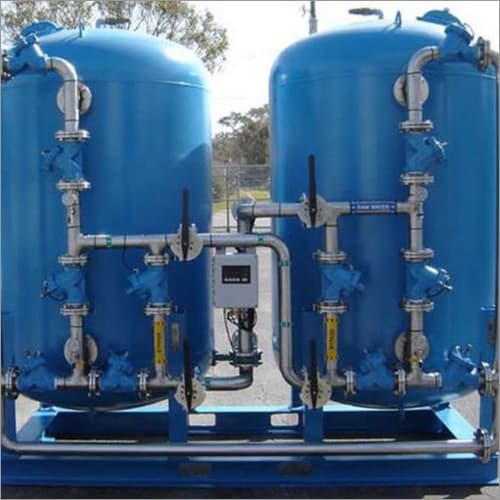
1 / 3
- Established
- 1996Established in Vasai, Mumbai
- Countries
- Plants running inNigeria · Ghana · Tanzania · Nepal & many more
- Clients
- Trusted byBisleri · Bailey · Campa · McDowell's · Mantra · Meru Spring
Product Range
Our specialized water softening solutions cater to various industrial and commercial applications:
Stainless Steel Water Softeners
Primary Function
Industrial-grade removal of calcium and magnesium (water hardness).
Core Benefits & Application
High-quality, durable construction (MS/SS/FRP options) for reliable performance in industrial settings.
Automatic FRP Water Softeners
Primary Function
Superior softening support using an automatic control system.
Core Benefits & Application
Consistent water quality for demanding preparations like boiler feed water, air conditioning systems, and textiles, with microcomputer-controlled timing.
How it works
The Science of Softening
The principle behind a water softener is straightforward. Hardness in water is primarily caused by positively-charged minerals like Calcium and Magnesium. These minerals can lead to issues such as scale buildup in pipes and appliances, and can also reduce the effectiveness of soaps and detergents. To resolve this, our systems use a process called Cation Exchange to effectively remove these minerals, resulting in soft water.
Technical Specifications
Process
Ion-exchange based softening
Capacity
Customizable to customer needs
Key Benefits
Prevents scale formation
Extends equipment life
Improves detergent efficiency
Reduces maintenance costs
Enhances equipment performance
Automated operation available
FAQ
Frequently asked questions
Can't find your answer? Call or WhatsApp us and we'll answer it.
How does an industrial water softener work?
Hard water passes through a cation exchange resin that swaps calcium and magnesium - the minerals that cause scale - for sodium. When the resin is exhausted it is regenerated with brine (a common salt solution), rinsed, and returned to service.
How often does a water softener regenerate, and how much salt does it use?
Both depend on the hardness of the feed water and the volume treated. Automatic softeners regenerate on a timer or after a set volume, scheduled outside peak demand. Send us your hardness figure and daily consumption and we will size the resin volume and regeneration cycle.
Water softener or RO plant - which do I need?
A softener removes hardness only; it does not reduce total dissolved solids. It is the right answer for scaling problems in boilers, cooling towers, bathrooms and laundries. RO reduces dissolved solids and is needed where taste or low TDS matters, such as drinking water or process water.
Can a softener treat borewell water with iron?
High iron fouls softener resin and shortens its life, so borewell water with significant iron needs pre-filtration or iron removal before the softener. That is why we ask for a water analysis before sizing a plant.
Do you supply water softeners for housing societies?
Yes. Hard borewell and tanker water is common across Vasai-Virar, Thane and Mumbai, and a softening plant on the building supply protects bathroom fittings, geysers and plumbing. See our page on water softeners for housing societies for how they are sized.
Guides for buyers
Read before you request a quote
- What Hard Water Does to an Industrial BoilerHow scale forms in boilers and cooling systems, what it costs in fuel, and how an industrial water softener differs from RO for hardness removal.Read the guide →
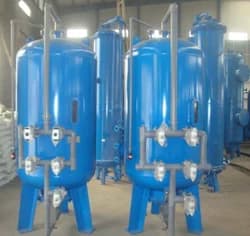 Water Softener for a Housing Society: Sizing, Salt Cost and What to AskHow a housing society should size a central water softener: daily water use, hardness load, resin and salt, where to install it and what to ask suppliers.Read the guide →
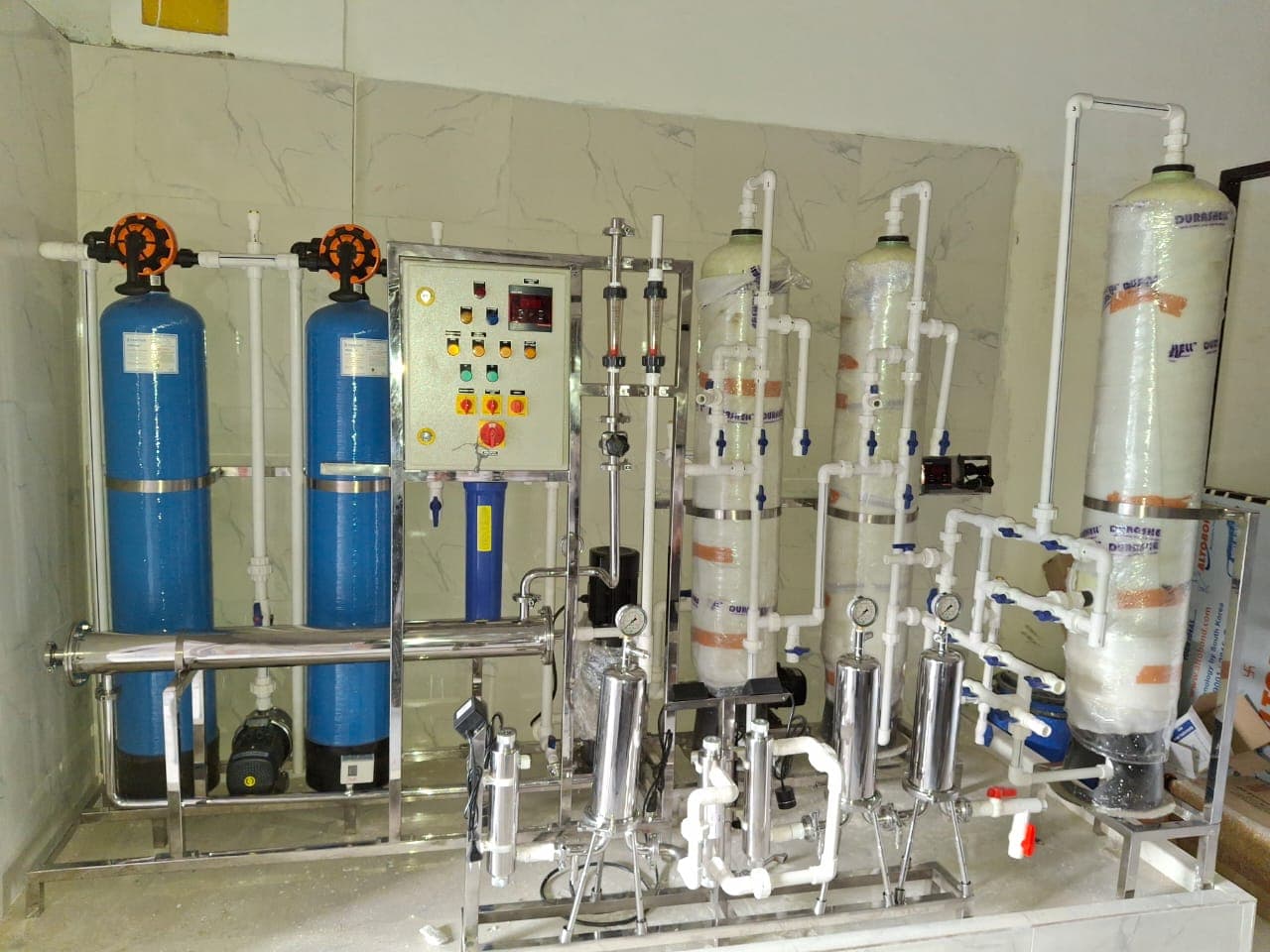 Boiler Feed Water: Softener, RO or DM Plant?Which boiler feed water treatment you need, by boiler pressure and feed water quality: when a softener is enough, when RO pays for itself and when DM is required.Read the guide →
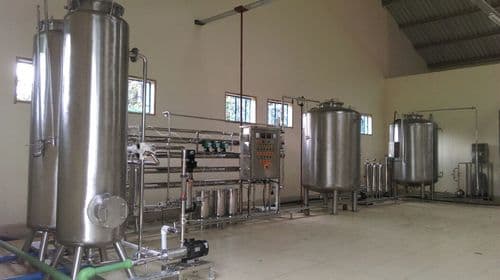 How to Read a Water Test Report Before You Buy a Treatment PlantWhat each line of a water test report means for choosing a treatment plant: TDS, hardness, iron, silica, chloride, pH and bacteria, with Indian drinking water limits.Read the guide →
Keep exploring
Other systems we build
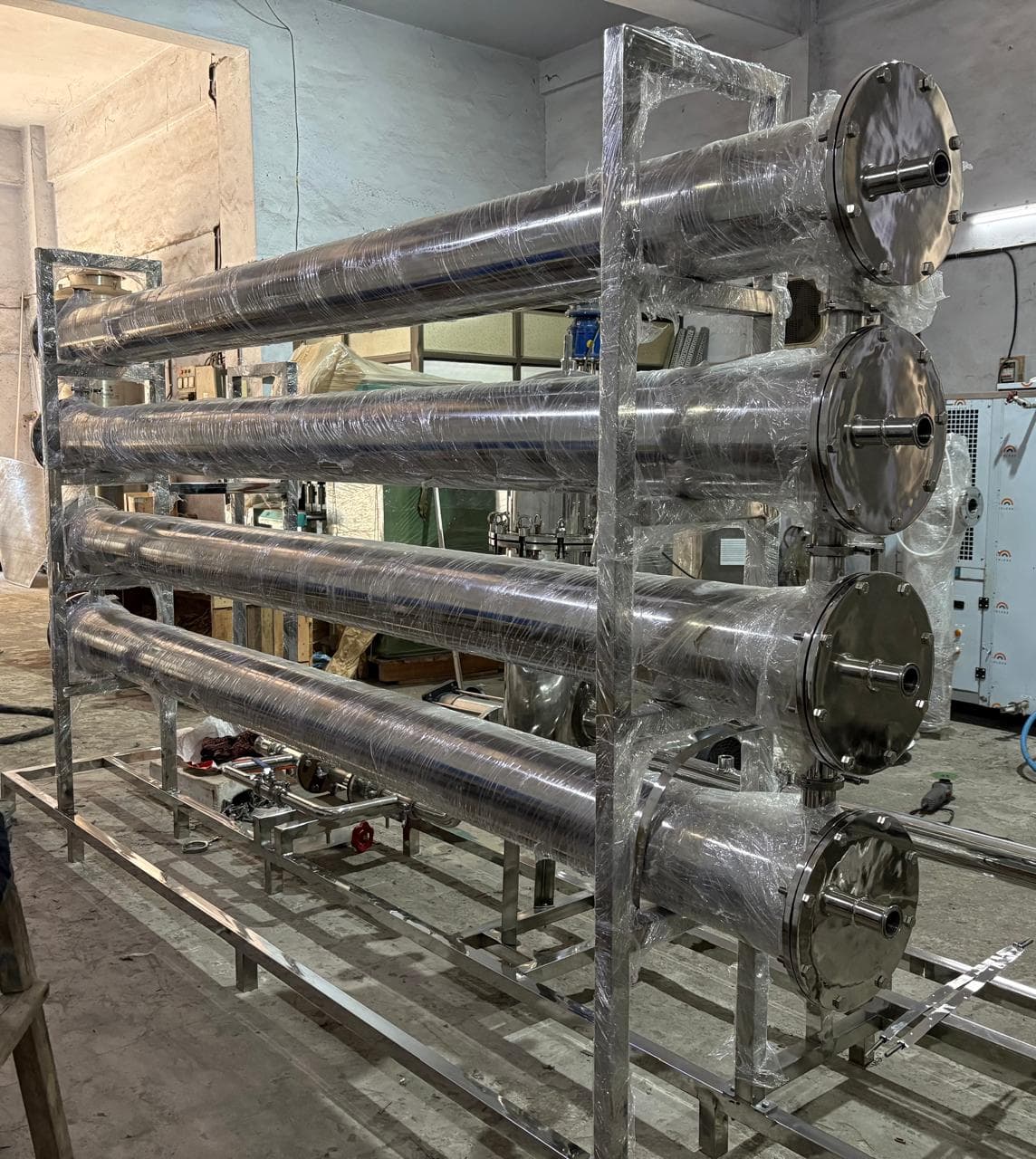
Membrane Housing
FRP and stainless-steel RO membrane housings and high-pressure pumps for industrial reverse osmosis plants. Supplied from Vasai, Mumbai since 1996.
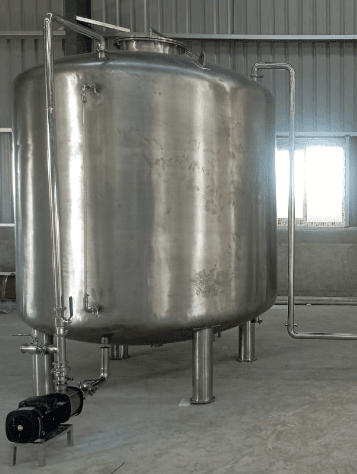
Fabricated SS & MS Vessels / Tanks
Custom stainless-steel and mild-steel storage tanks, pressure vessels and filter vessels, fabricated in-house in Vasai, Maharashtra since 1996.
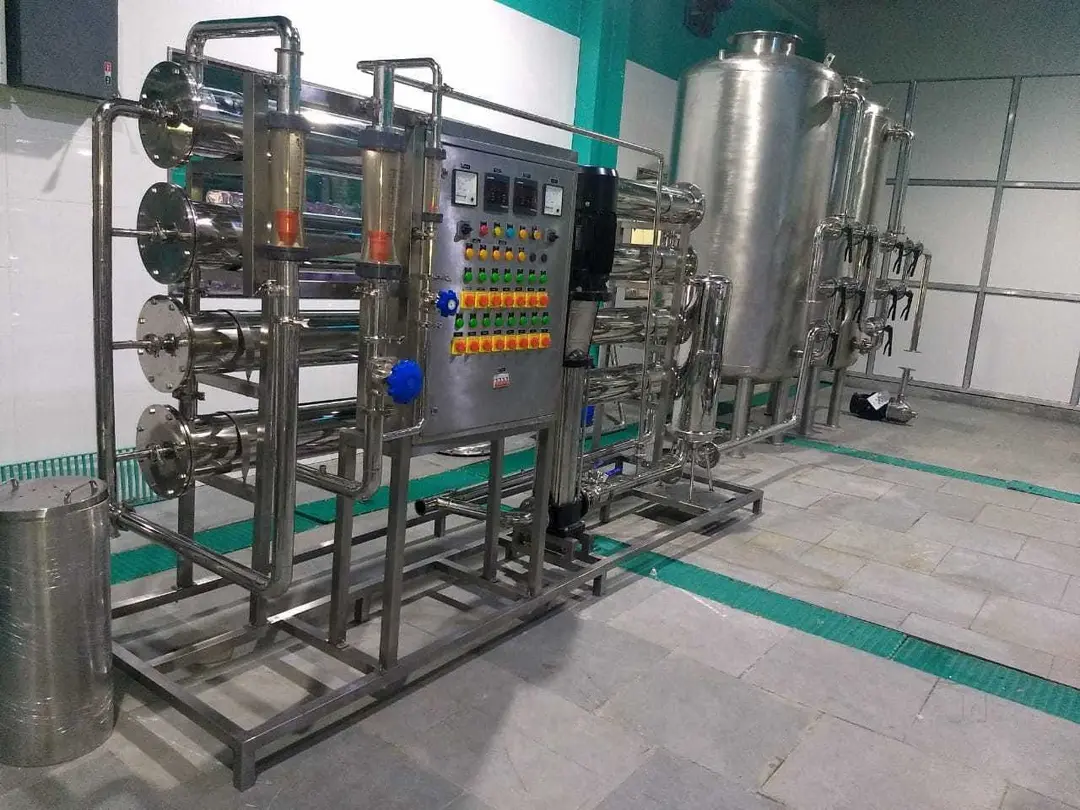
Complete Mineral Water Project
Turnkey packaged drinking water plants: RO, ozonation and bottling, built for FSSAI requirements. Trusted by Bisleri, Bailey and Campa since 1996.
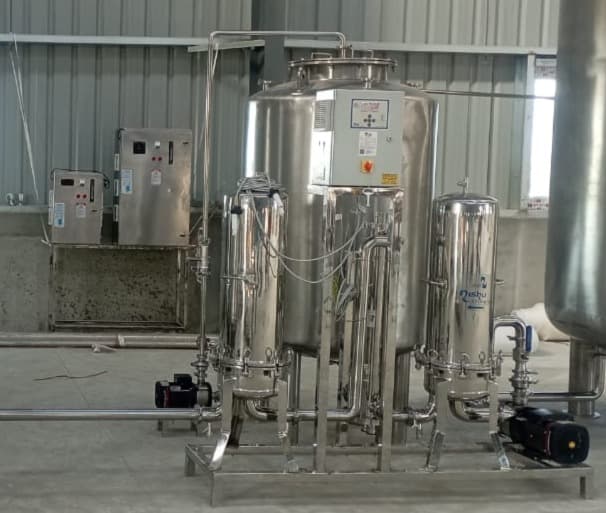
Dosing, Ozonation & UV Systems
Ozone generators for water tanks and bottling plants, UV sterilisers and chemical dosing systems for water disinfection. Manufacturer in Mumbai since 1996.