RO Plant AMC & Water Treatment Plant Maintenance
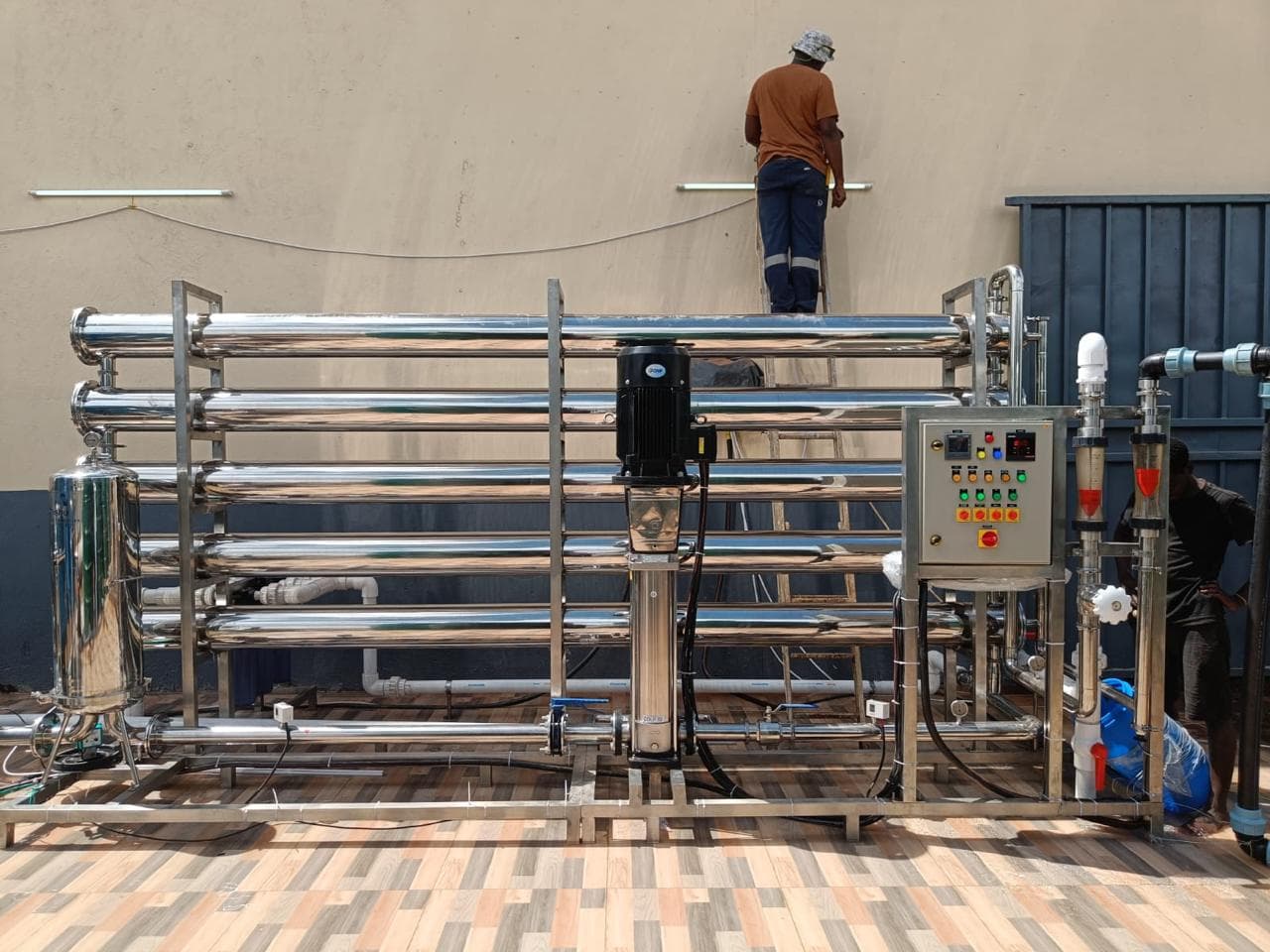
Most water treatment plants that fail do not fail because of design - they fail because nobody was watching the numbers. Our annual maintenance contracts keep RO, DM and softening plants running to specification with scheduled service, cleaning based on real performance data, and genuine spares, backed by building the plants ourselves since 1996.
- Established
- 1996Established in Vasai, Mumbai
- Countries
- Plants running inNigeria · Ghana · Tanzania · Nepal & many more
- Clients
- Trusted byBisleri · Bailey · Campa · McDowell's · Mantra · Meru Spring
Scheduled service visits
Regular technician visits to inspect the plant, review the operating log and act before performance slips.
Membrane cleaning on data
Cleaning-in-place when normalised performance calls for it, not on a guess - protecting membrane life.
Genuine spares
Cartridges, membranes, resins and chemicals supplied from our own stock and matched to the plant.
Breakdown support
Priority response when something goes wrong, from the team that designs and builds these plants.
Why maintenance decides running cost
An RO plant loses performance gradually. Fouling and scaling build up on the membranes, output drops and the plant runs longer or harder to compensate. Caught early, a cleaning cycle restores it. Left too long, the fouling becomes permanent and the membranes have to be replaced - usually the single largest maintenance cost a plant can incur.
RO plant maintenance schedule
| Frequency | Tasks |
|---|---|
| Daily | Record pressures, flows, feed and permeate TDS and temperature; check dosing tank levels |
| Weekly | Review log trends; check for leaks, unusual noise or vibration; backwash media filters as required |
| As indicated | Replace cartridge filters when pressure drop rises; clean membranes when normalised flow or pressure drop moves beyond limits |
| Monthly / quarterly | Technician visit: instrument checks, pump inspection, dosing calibration, performance review |
| Annually | Full plant audit; review membrane and resin condition and plan replacements |
What an operating log should record
- Feed and permeate TDS (or conductivity).
- Feed, permeate and reject flow rates.
- Pressure before and after the cartridge filter.
- Feed pressure and pressure drop across each membrane stage.
- Feed water temperature, which changes membrane output independently of fouling.
- Chemical dosing levels and consumption.
Without a daily log there is no way to tell whether a drop in output is fouling, scaling, a blocked cartridge or just colder water - and each needs a different response.
DM plants and softeners
Ion exchange plants need a different kind of attention: regeneration chemical consumption, output between regenerations, and treated water quality at the end of each run. A steady fall in output per regeneration points to resin fouling or loss, and catching it early is far cheaper than a plant that quietly slips out of specification.
Requesting an AMC
Tell us the plant type and capacity, its age, who built it, the feed water source and how it is currently operated. We survey the plant before proposing a scope, so the contract covers what the plant actually needs.
FAQ
Frequently asked questions
Can't find your answer? Call or WhatsApp us and we'll answer it.
What does an RO plant AMC include?
A typical annual maintenance contract covers scheduled service visits, review of the operating log, membrane cleaning when the data calls for it, cartridge filter replacement, checks of dosing systems, pumps and instruments, and priority breakdown support. We tailor the scope to the plant and its duty.
How often should an RO plant be serviced?
Operators should record pressures, flows and TDS daily. Cartridge filters are changed when the pressure drop across them rises, membranes are cleaned based on normalised performance data, and a technician should review the plant at regular intervals - monthly or quarterly depending on size and duty.
What should an RO plant log sheet record?
Feed and permeate TDS, feed, reject and permeate flows, pressures before and after the cartridge filter and across each stage, feed water temperature, and chemical dosing levels. Without these readings there is no way to tell when the membranes need cleaning.
Why is my RO plant producing less water than before?
The usual causes are membrane fouling or scaling, a blocked cartridge filter, colder feed water, or a drop in feed pressure. Log data usually identifies which one. Left unaddressed, fouling becomes permanent and the membranes have to be replaced.
Guides for buyers
Read before you request a quote
- Industrial RO Plant AMC: What It Should Cover and How to Choose OneWhat an annual maintenance contract for an industrial RO plant should include: visit frequency, checks, cleaning triggers, exclusions and how the price is built.Read the guide →
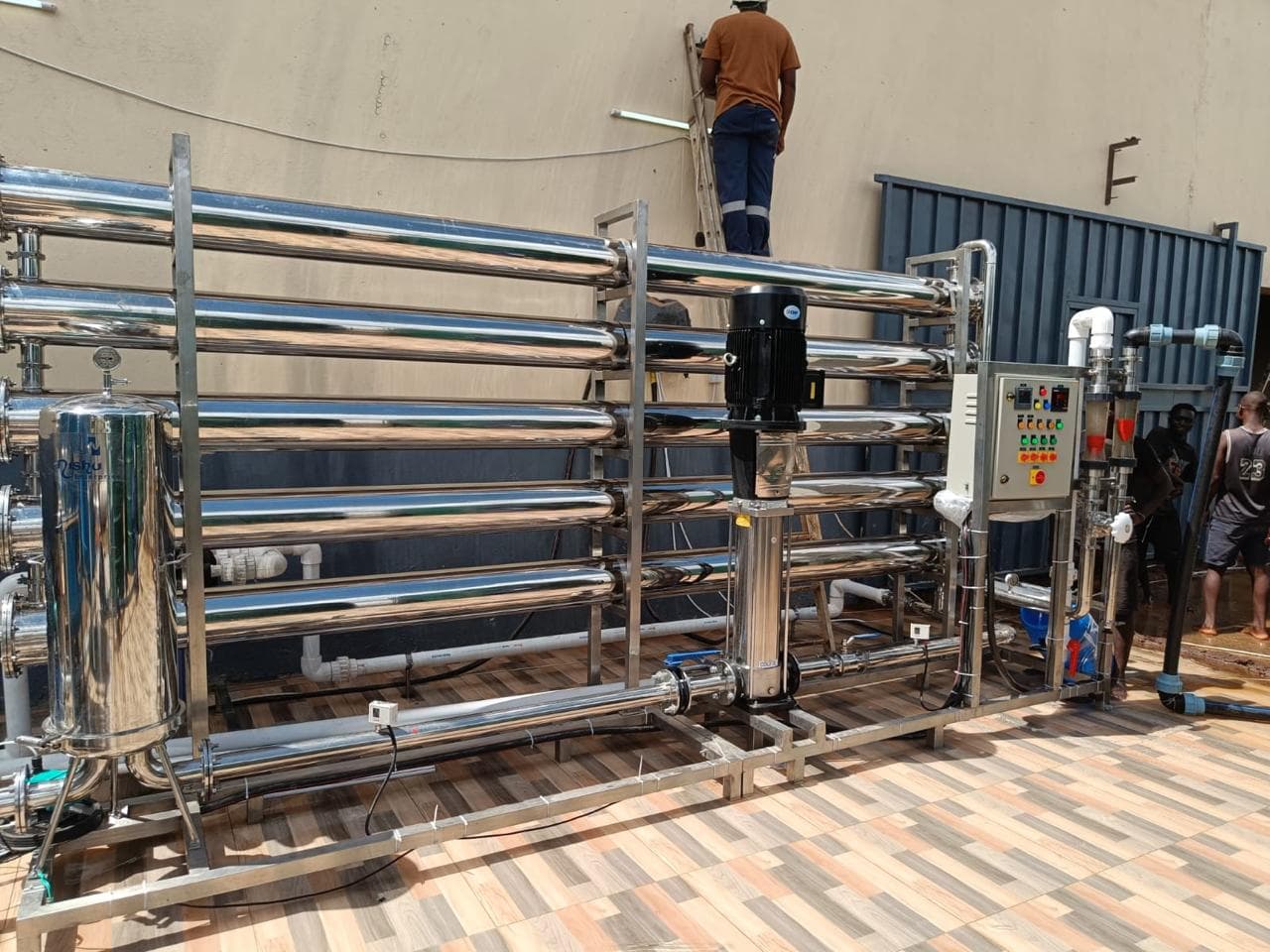 RO Plant Output Dropping? Diagnose It From Your Own ReadingsWhy an industrial RO plant's output falls and how to find the cause from your own log sheet: temperature, pressure, pre-treatment, fouling, scaling or membrane damage.Read the guide →
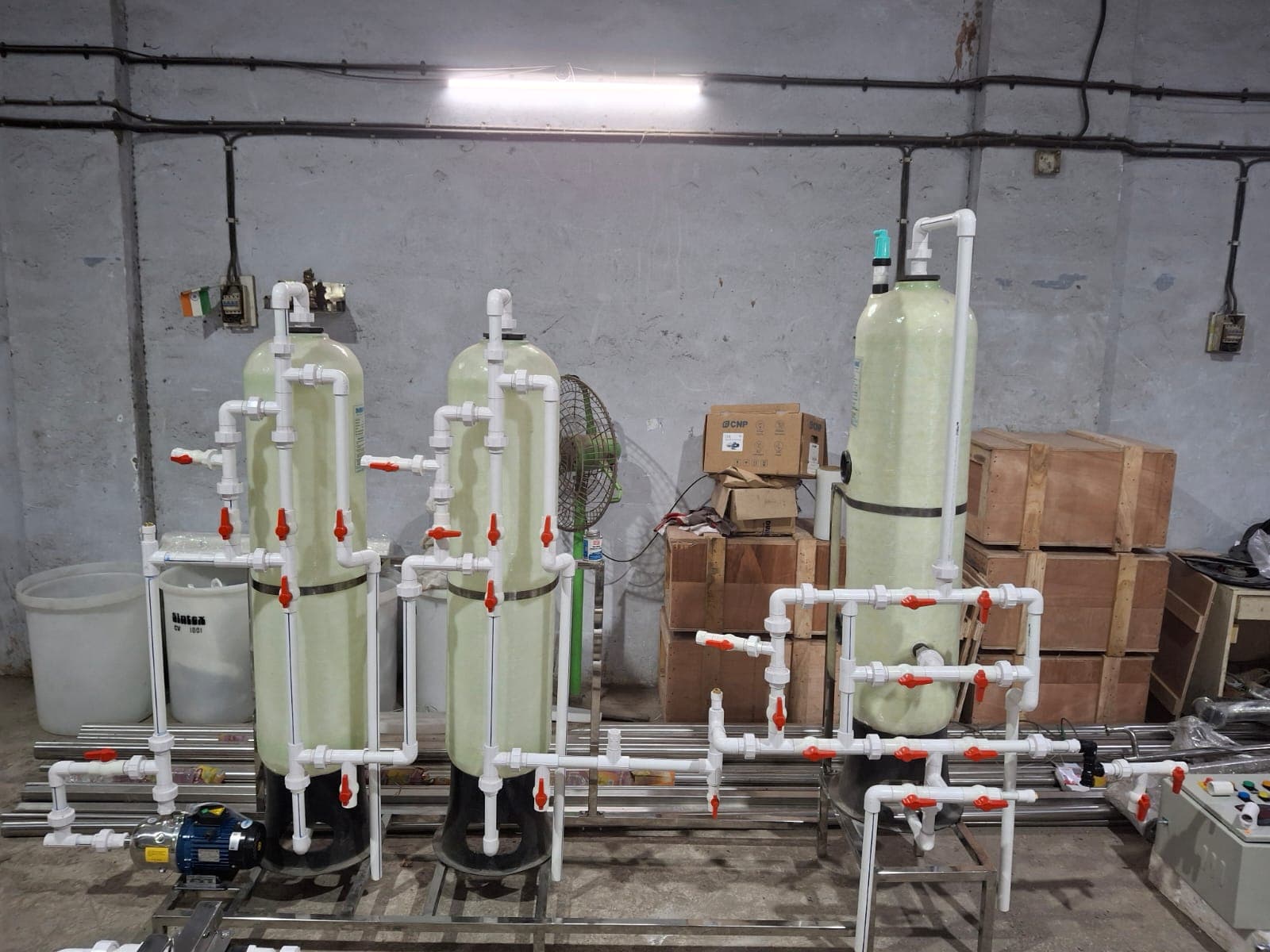 DM Plant Regeneration Process: Step by StepHow a two-bed and mixed-bed DM plant is regenerated with acid and caustic, when to regenerate, how to do it safely and what short runs or high silica mean.Read the guide →
Keep exploring
Other systems we build
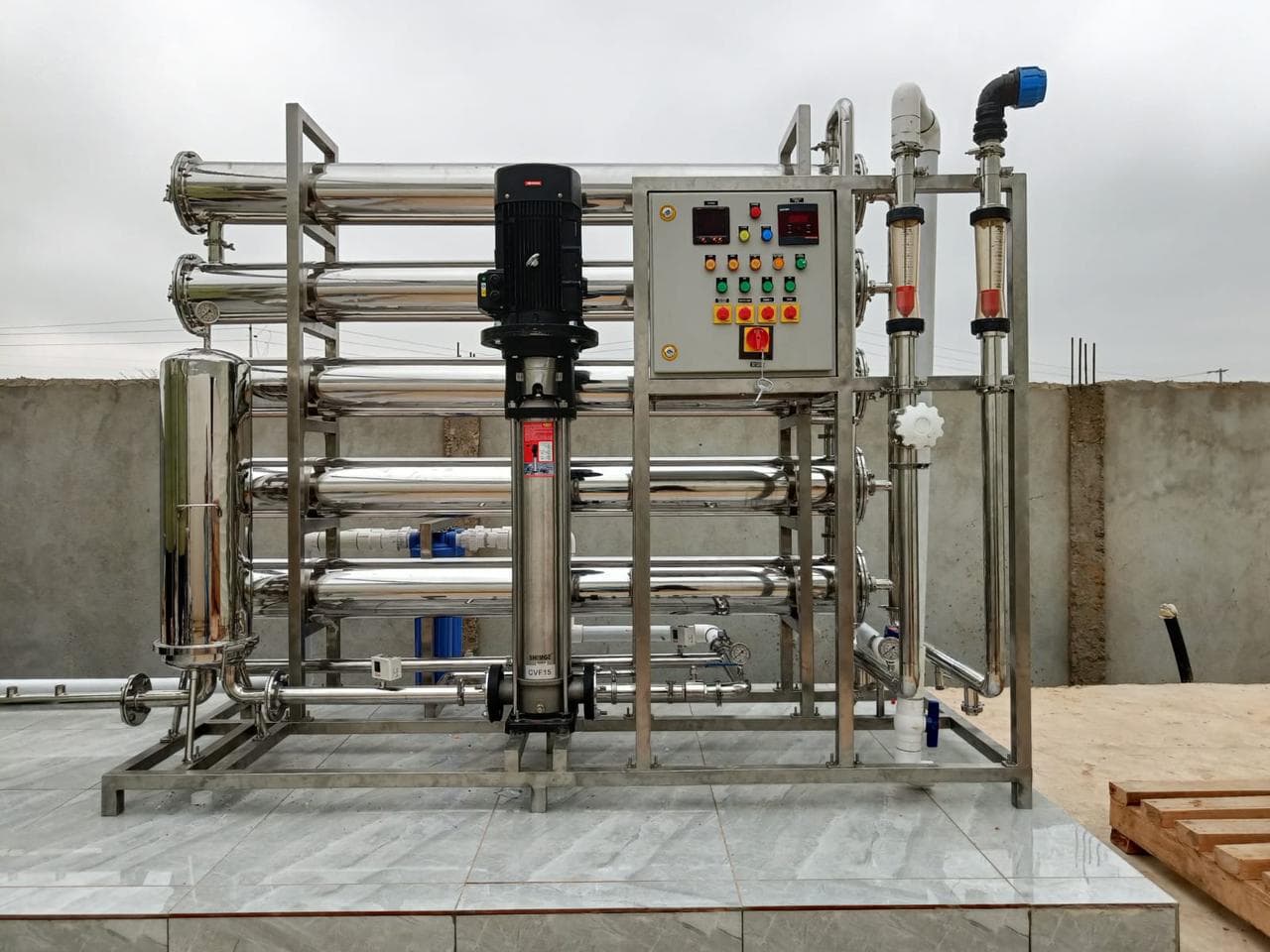
Reverse Osmosis Plant (RO)
Industrial and commercial RO plants up to 10,000+ LPH for factories, hotels, hospitals and housing societies. Built in Vasai, Mumbai since 1996.
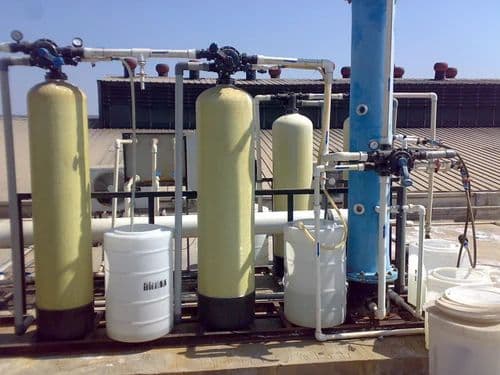
Demineralized Plant (DM)
Two-bed and mixed-bed DM water plants for boiler feed, pharmaceutical and process water. Manufactured in Vasai, Mumbai since 1996, with plants in Nigeria, Ghana, Tanzania, Nepal and many more.
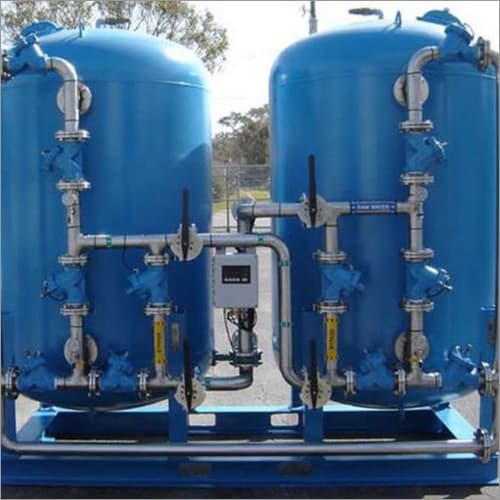
Water Softening Plant
Automatic water softening plants for boilers, cooling towers, hotels and housing societies. Removes hardness from borewell water. Made in Vasai since 1996.
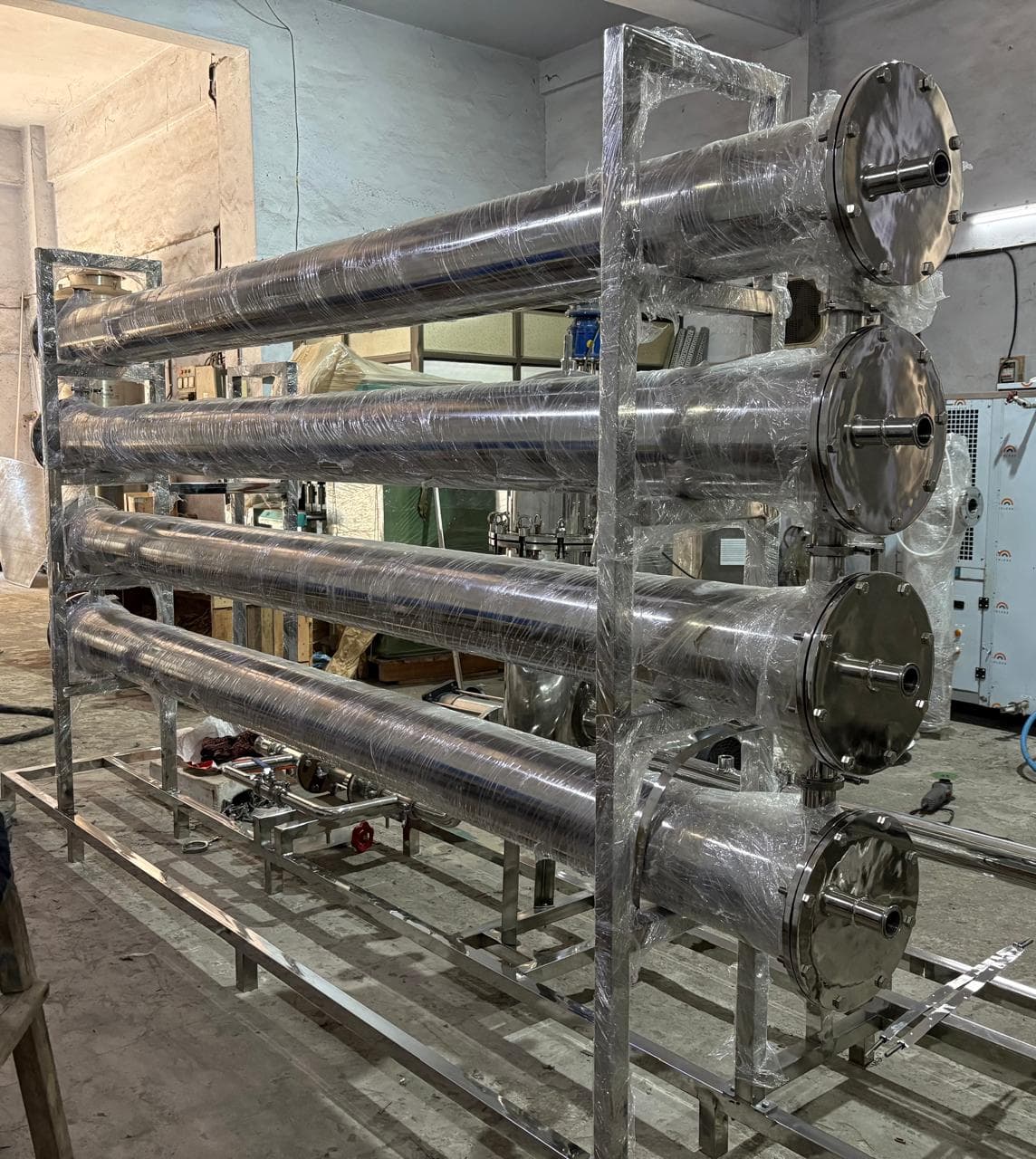
Membrane Housing
FRP and stainless-steel RO membrane housings and high-pressure pumps for industrial reverse osmosis plants. Supplied from Vasai, Mumbai since 1996.