DM Water Plant Manufacturer: Two-Bed & Mixed-Bed
We manufacture two-bed and mixed-bed DM water plants that remove dissolved mineral salts to produce the high-purity water that boilers, pharmaceutical plants, laboratories and process industries depend on. Designed and built in Vasai, Mumbai since 1996.
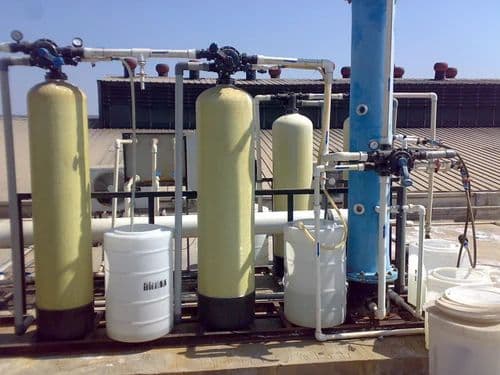
1 / 3
- Established
- 1996Established in Vasai, Mumbai
- Countries
- Plants running inNigeria · Ghana · Tanzania · Nepal & many more
- Clients
- Trusted byBisleri · Bailey · Campa · McDowell's · Mantra · Meru Spring
Product Range
Here is a comprehensive overview of our DM Plant solutions, each designed to meet specific industrial requirements:
FRP DM Plant (Rapid Flow Two Bed)
Description
Efficiently produces treated water with low conductivity (less than 30 micro siemens/cm), ideal for feed water with low Total Dissolved Solids (TDS) or post-RO treatment.
Key Features
Compact, factory-tested, utilizes FRP pressure vessels and special resin to handle higher velocities. Quick installation and monitoring points for quality control.
Mixed Bed DM Plants
Description
Used as a polisher unit following a two-bed DM or RO system to achieve ultra-high purity water (conductivity as low as 0.05 micro siemens/cm or 18 mega ohms).
Key Features
Delivers exceptionally pure water for critical applications. Available in various materials including Stainless Steel and FRP.
Mild Steel Rubber Lined Two Bed DM Water Plants
Description
Provides effective demineralisation for a wide range of industrial applications, yielding water with a conductivity of less than 10–30 micro siemens/cm.
Key Features
Features robust Mild Steel Rubber Lined vessels and components, offering high capacity and durability for larger volume requirements.
Mixed Bed FRP DM Plants
Description
Produces high-quality treated water with a conductivity of less than 1–2 micro siemens/cm and neutral pH, suitable for sensitive processes.
Key Features
Constructed with FRP pressure vessels and offers compact, pre-assembled, and easy-to-maintain functionality for consistent water quality.
Rapid Flow Two Bed DM Plants
Description
Incorporates state-of-the-art counter-flow technology for fast, automatic regeneration (just 30 minutes) and continuous, high-volume production of deionized water.
Key Features
Minimizes downtime and uses an automatic PLC control system. Excellent for demanding industrial environments needing high flow rates and low running costs.
Auto FRP Two Bed DM Water Plants
Description
Specialised system for automatic water demineralization using the ion exchange process, offering reliable performance with minimal effort.
Key Features
Features FRP construction, compact design, easy handling, and requires low maintenance.
Mild Steel Mixed Bed DM Plants
Description
Designed for ultra-purification, providing water quality as low as 0.05 micro siemens/cm (or less than 18 mega Ohms) for highly critical sectors like Pharma and Power Plants.
Key Features
Utilizes Mild Steel Rubber Lined vessels and robust components to ensure superior water purity for complex industrial processes.
Technical Specifications
Resin Type
Mixed-bed / Strong acid/base resins
Conductivity
< 1 µS/cm
Key Benefits
Ultrapure water for process and boiler feed
Custom resin configurations for application needs
Wide range of configurations for different industrial needs
High-quality water treatment for critical applications
Efficient and reliable performance
FAQ
Frequently asked questions
Can't find your answer? Call or WhatsApp us and we'll answer it.
How does a DM water plant work?
Water passes through a cation resin that exchanges dissolved cations for hydrogen ions, then an anion resin that exchanges anions for hydroxide ions. The hydrogen and hydroxide combine to form water, leaving the dissolved ionic load removed. A degasser between the two beds strips carbon dioxide and reduces the load on the anion resin.
What is the difference between a two-bed and a mixed-bed DM plant?
A two-bed plant has separate cation and anion vessels in series. A mixed-bed unit holds both resins in one vessel and behaves like many two-bed stages in series, producing much lower conductivity. Mixed beds are normally used as a polishing stage after a two-bed plant or after RO.
How is a DM plant regenerated?
The cation resin is regenerated with acid (hydrochloric or sulphuric) and the anion resin with caustic soda. Each regeneration follows the same sequence: backwash, regenerant injection, slow rinse to displace the regenerant, and a fast rinse until the outlet water is back within specification.
What water quality does a DM plant produce?
A well-operated two-bed plant typically delivers conductivity in the low single or double digits of µS/cm. Adding a mixed-bed polisher takes it below 1 µS/cm, which is what high-pressure boilers, pharmaceutical and laboratory applications usually require.
Should I put an RO plant before my DM plant?
Where feed water TDS is high, usually yes. RO removes the bulk of the dissolved solids so the resin only polishes what remains, which cuts acid and caustic consumption and regeneration frequency substantially.
Guides for buyers
Read before you request a quote
- RO vs DM Plant: Which One Does Your Industry Actually Need?Reverse osmosis and demineralisation solve different problems. A practical comparison by output purity, running cost and the industries each suits.Read the guide →
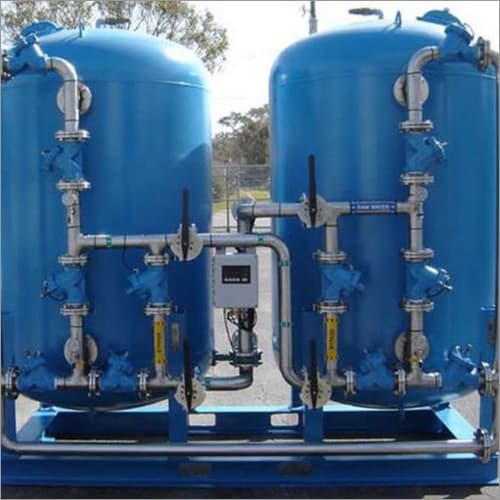 What Hard Water Does to an Industrial BoilerHow scale forms in boilers and cooling systems, what it costs in fuel, and how an industrial water softener differs from RO for hardness removal.Read the guide →
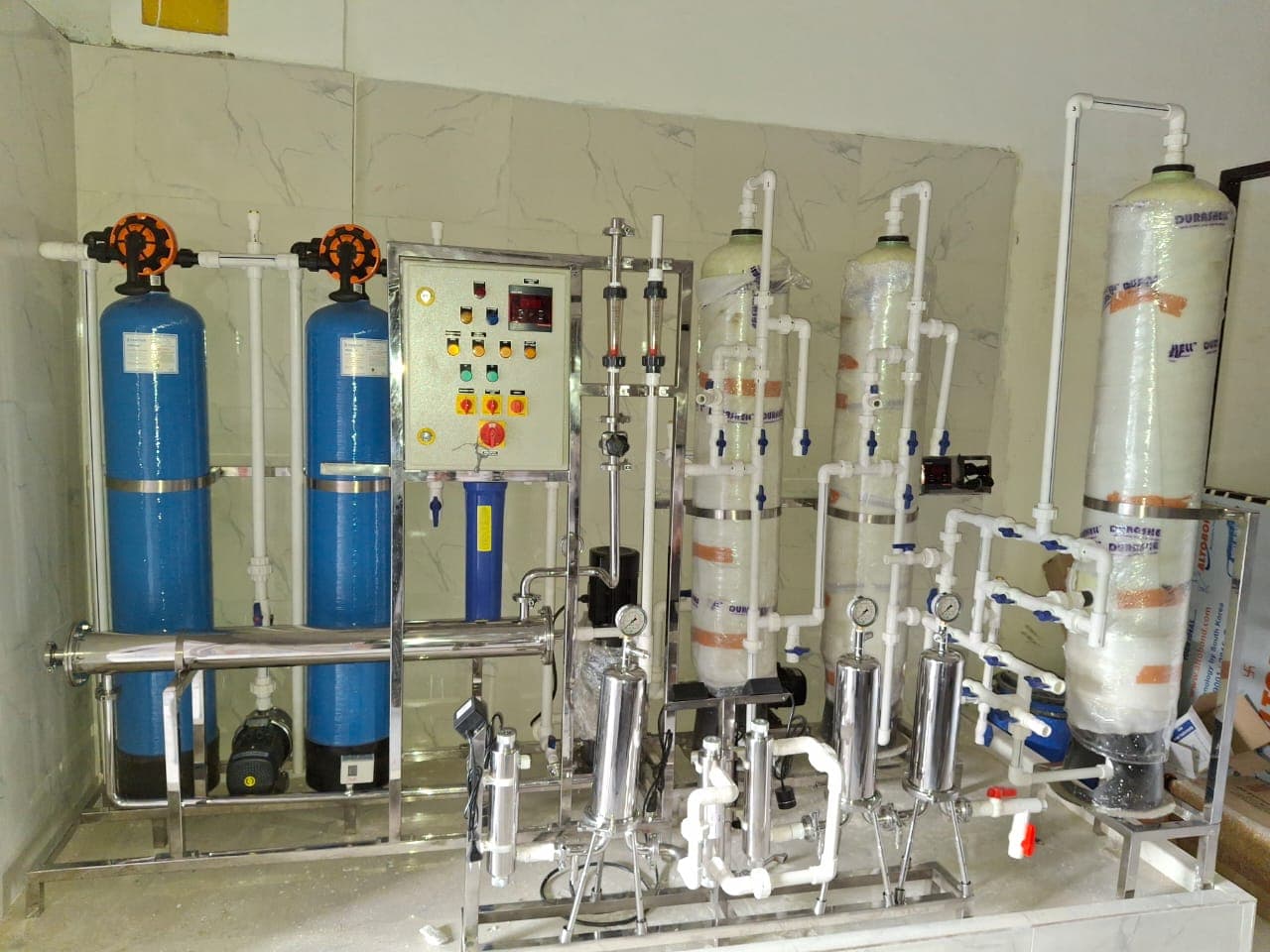 Boiler Feed Water: Softener, RO or DM Plant?Which boiler feed water treatment you need, by boiler pressure and feed water quality: when a softener is enough, when RO pays for itself and when DM is required.Read the guide →
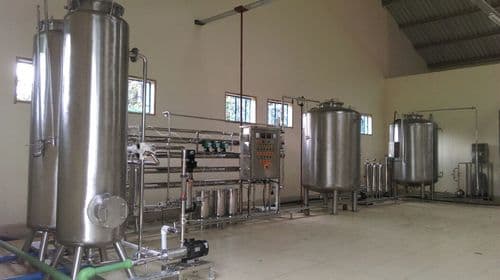 How to Read a Water Test Report Before You Buy a Treatment PlantWhat each line of a water test report means for choosing a treatment plant: TDS, hardness, iron, silica, chloride, pH and bacteria, with Indian drinking water limits.Read the guide →
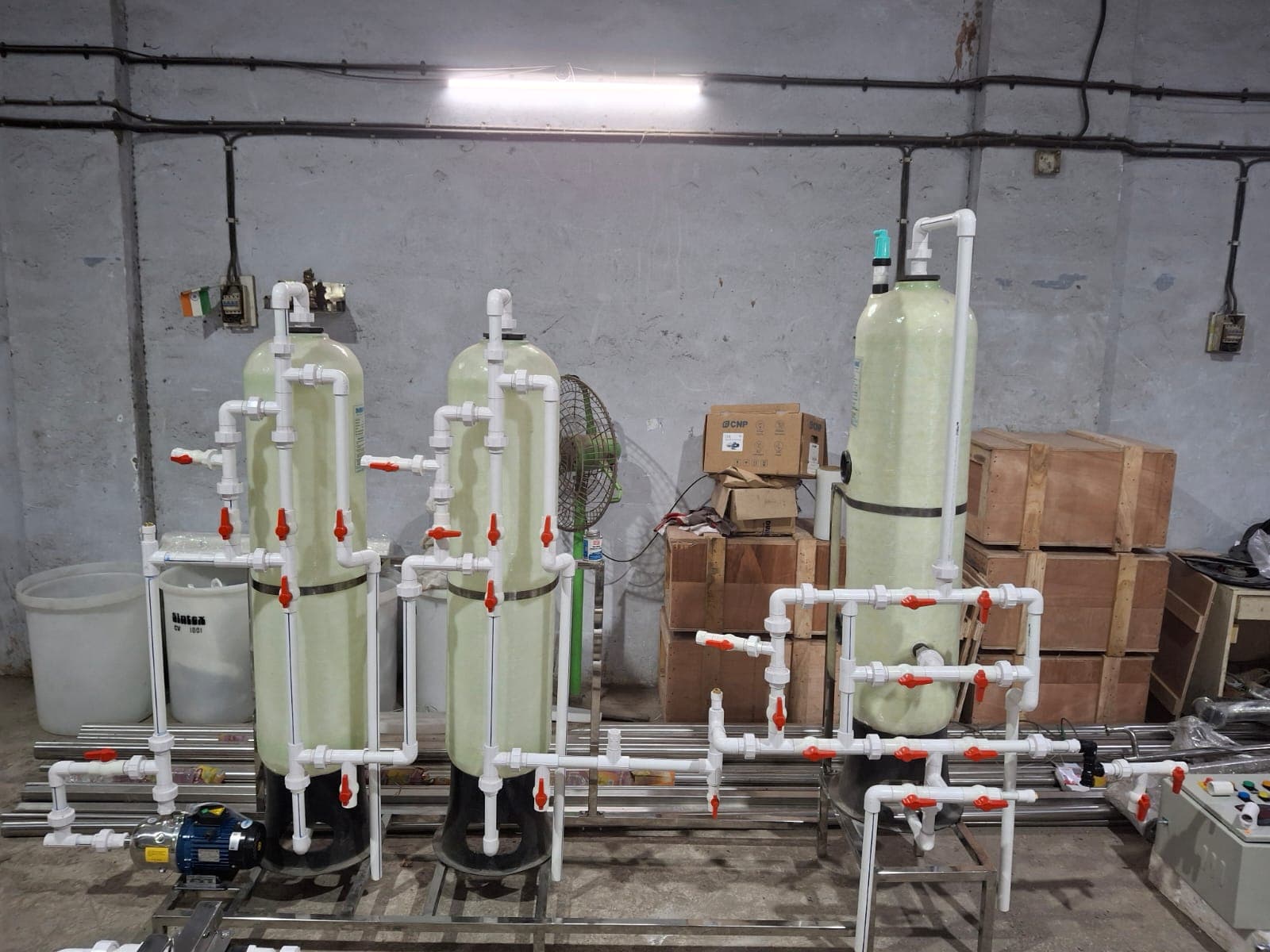 DM Plant Regeneration Process: Step by StepHow a two-bed and mixed-bed DM plant is regenerated with acid and caustic, when to regenerate, how to do it safely and what short runs or high silica mean.Read the guide →
Keep exploring
Other systems we build
Water Softening Plant
Automatic water softening plants for boilers, cooling towers, hotels and housing societies. Removes hardness from borewell water. Made in Vasai since 1996.
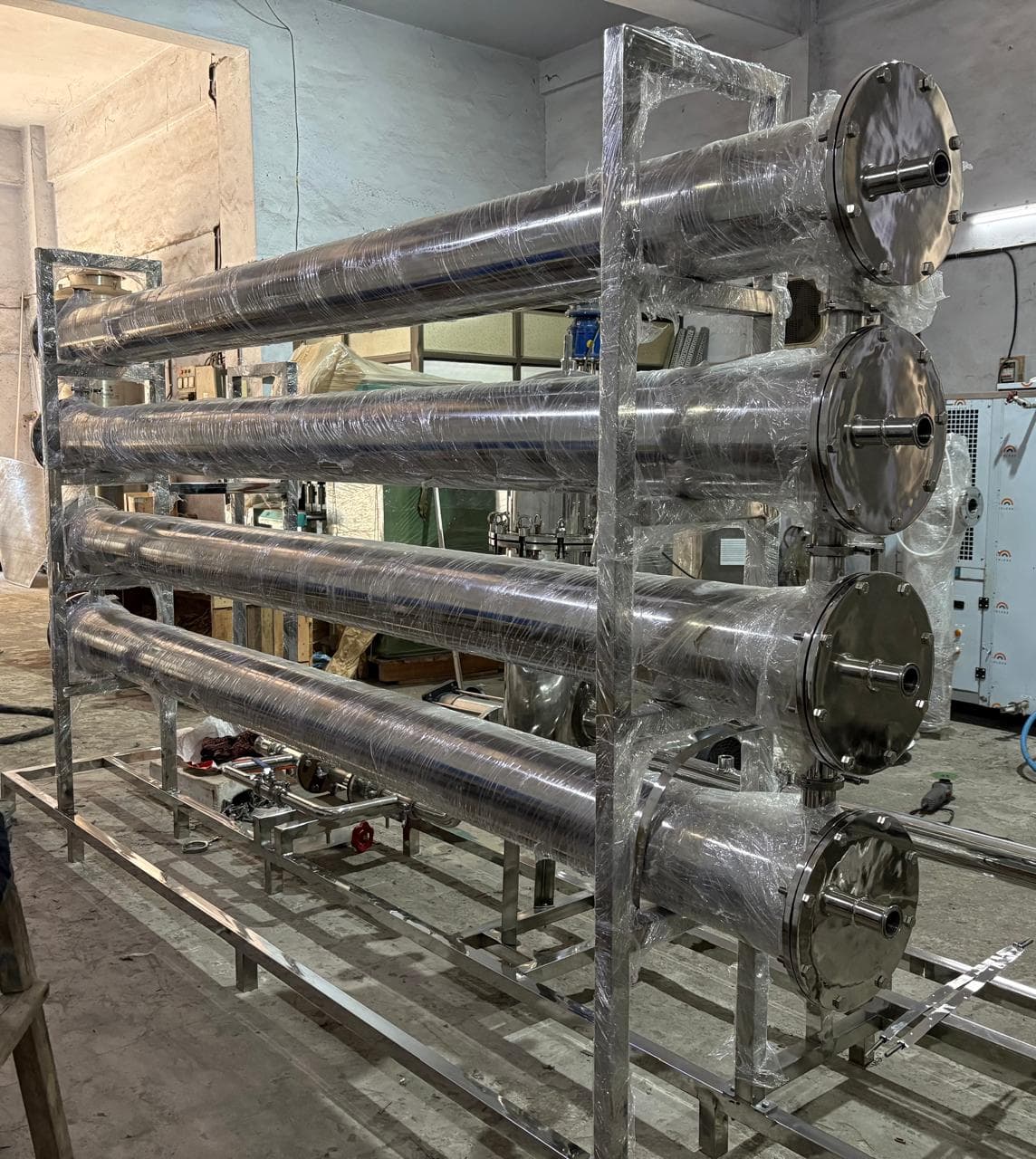
Membrane Housing
FRP and stainless-steel RO membrane housings and high-pressure pumps for industrial reverse osmosis plants. Supplied from Vasai, Mumbai since 1996.
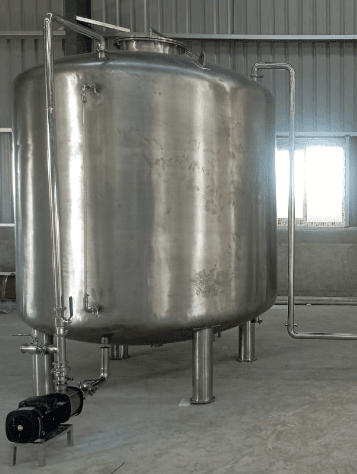
Fabricated SS & MS Vessels / Tanks
Custom stainless-steel and mild-steel storage tanks, pressure vessels and filter vessels, fabricated in-house in Vasai, Maharashtra since 1996.
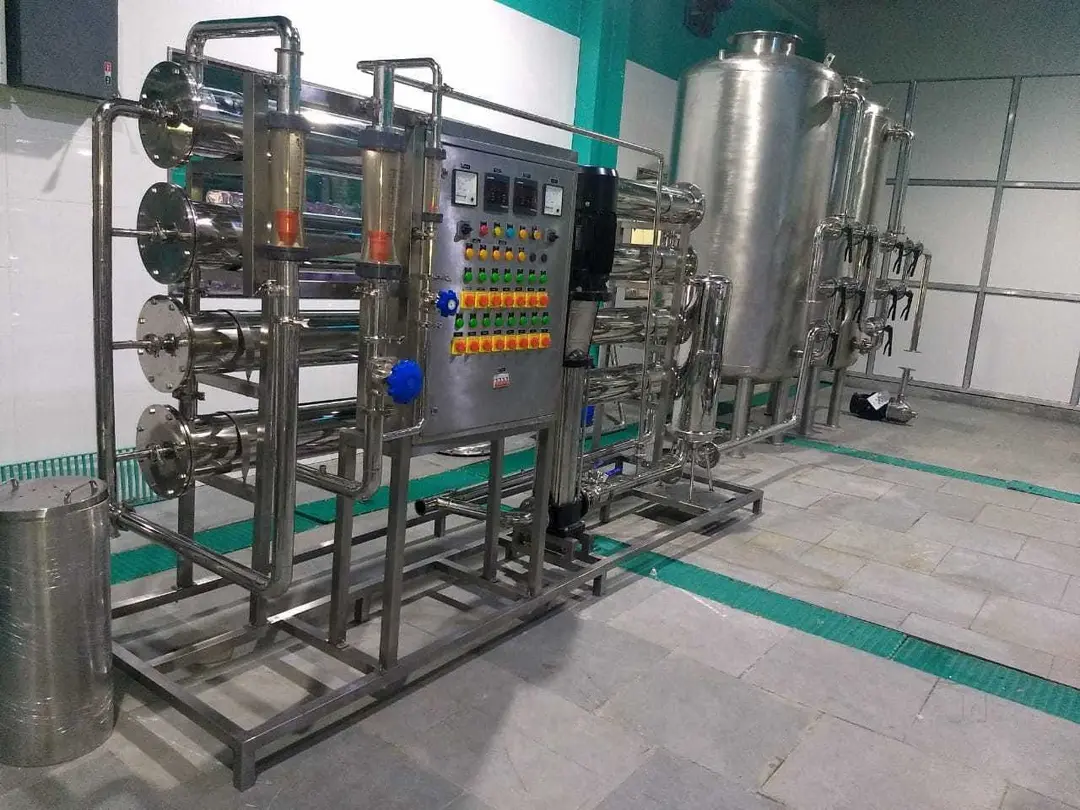
Complete Mineral Water Project
Turnkey packaged drinking water plants: RO, ozonation and bottling, built for FSSAI requirements. Trusted by Bisleri, Bailey and Campa since 1996.