Water Softeners & RO Plants for Housing Societies
Hard water is one of the most common complaints in housing societies across Vasai-Virar, Mira-Bhayandar, Thane and Mumbai's suburbs, especially where the building depends on a borewell or tanker supply. It shows up as white scale on taps and tiles, geysers that fail early, blocked shower heads and plumbing that loses pressure year after year. A softening plant on the building's supply solves it at source for every flat at once. We have built water treatment plants since 1996, and we size society plants around the building's actual water, not a catalogue model.
- Established
- 1996Established in Vasai, Mumbai
- Countries
- Plants running inNigeria · Ghana · Tanzania · Nepal & many more
- Clients
- Trusted byBisleri · Bailey · Campa · McDowell's · Mantra · Meru Spring
The challenge
What makes this sector different
Scale in every flat
Hardness deposits on taps, tiles and shower heads, shortens the life of geysers and washing machines, and slowly narrows the building's pipes.
Borewell and tanker water vary
Water quality changes with the source and the season. A plant designed on one tanker's water can be undersized for the next.
Committees need clear running costs
A managing committee has to justify the plant to members. Salt consumption, maintenance and AMC cost need to be known before the decision, not after.
Limited space near the tanks
The plant usually has to fit near the underground sump and pumps, in whatever space the building already has.
Softener or RO: what a society actually needs
Most societies need a softener, not an RO plant, for the building supply. A softener removes the calcium and magnesium that cause scale, which is what residents experience as hard water. It does not reduce total dissolved solids and it does not make water drinkable. Drinking water is a separate, much smaller requirement, met with RO at a common drinking water point or with purifiers in individual flats. Running the entire building supply through RO is rarely justified: it wastes a large share of the water as reject and costs far more to run.
| Duty | Requirement | Usual route |
|---|---|---|
| Bathroom and kitchen supply | No scale on fittings and appliances | Softener on the building supply |
| Drinking water | Low TDS and microbiologically safe | RO at a common point, or purifiers in flats |
| Borewell water with iron or turbidity | Clear water that will not foul the resin | Pressure sand filtration or iron removal before the softener |
| Stored water in tanks | Hygiene between cleanings | Regular tank cleaning; ozone or UV where needed |
Where the plant goes
The softener is normally installed on the pumping line between the underground sump and the overhead tank. Everything pumped up to the overhead tank is softened on the way, so every flat receives soft water without any change to the plumbing inside the building.
Soften the water on its way to the overhead tank and every flat gets soft water, without touching a single pipe inside the building.
How a society softener is sized
- Establish daily consumption from pump running hours, meter readings or tanker records - not only from the number of flats.
- Test the water for hardness, TDS and iron. Hardness sets the size of the plant; iron decides whether pre-filtration is needed.
- Size the resin volume on hardness multiplied by the volume to be treated between regenerations.
- Schedule automatic regeneration for low-demand hours, usually at night.
- Provide a brine tank and salt storage that the society's staff can top up easily.
Running cost and maintenance
Salt is the main running cost, and it scales directly with hardness and consumption - which is why we calculate it at the sizing stage and give the committee the figure up front. With pre-filtration and correct regeneration, softener resin lasts for years. An annual maintenance contract covers periodic checks, regeneration settings as the water changes, and resin and valve servicing.
What we need to quote
The number of wings and flats, the water sources the building uses, a recent water test showing hardness, TDS and iron, the underground and overhead tank capacities, the pump details, and a photo or dimensions of the space available near the sump.
Equipment
Systems we supply for this sector
The equipment below covers most requirements in housing societies. Where the duty is unusual, we design against the specification instead.
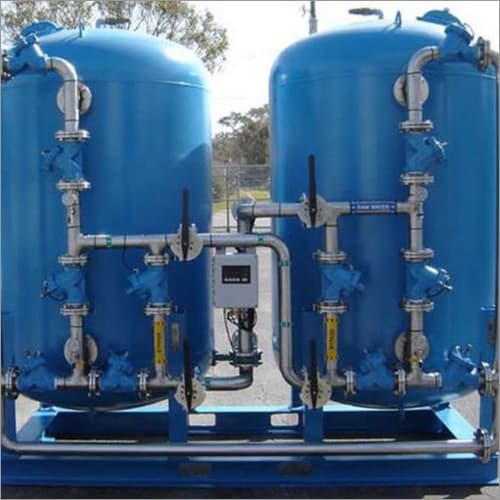
Water Softening Plant
Automatic water softening plants for boilers, cooling towers, hotels and housing societies. Removes hardness from borewell water. Made in Vasai since 1996.View specifications →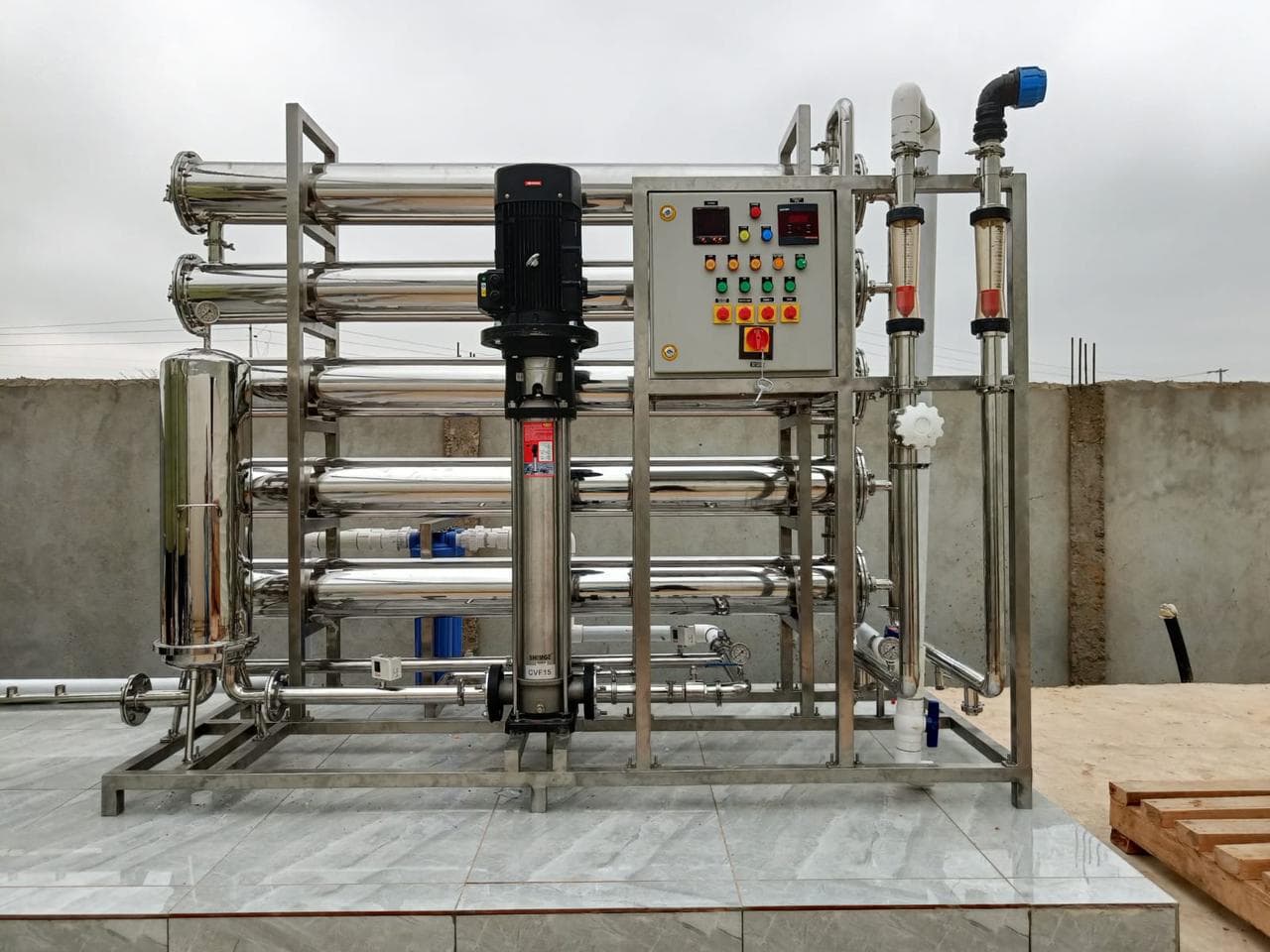
Reverse Osmosis Plant (RO)
Industrial and commercial RO plants up to 10,000+ LPH for factories, hotels, hospitals and housing societies. Built in Vasai, Mumbai since 1996.View specifications →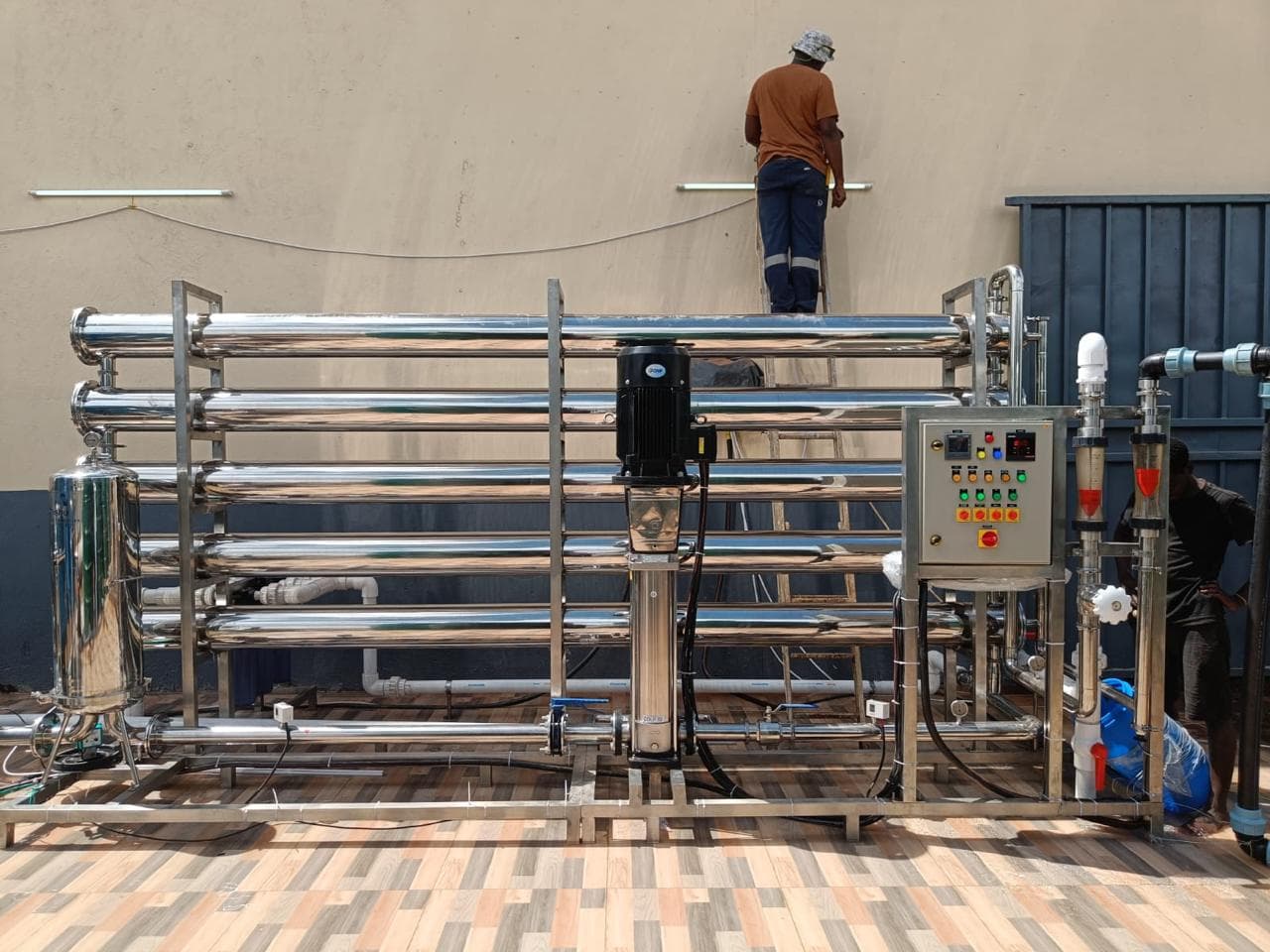
AMC & Plant Maintenance
Annual maintenance contracts for RO, DM and softening plants: scheduled servicing, membrane cleaning, resin checks and genuine spares. Vasai, Mumbai, Thane.View specifications →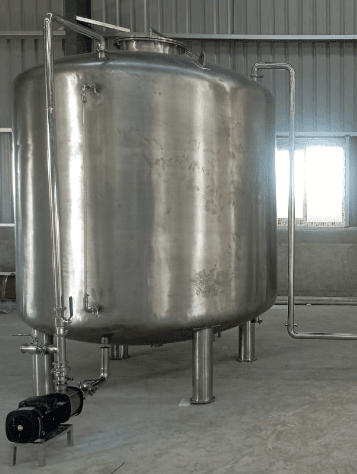
Fabricated SS & MS Vessels / Tanks
Custom stainless-steel and mild-steel storage tanks, pressure vessels and filter vessels, fabricated in-house in Vasai, Maharashtra since 1996.View specifications →FAQ
Frequently asked questions
Can't find your answer? Call or WhatsApp us and we'll answer it.
How much does a water softener for a housing society cost?
It depends on daily consumption, the hardness of the water, whether the plant is manual or automatic, and the vessel material. We quote after a water test and a look at the building's consumption, and we include the expected salt consumption so the committee knows the running cost as well as the price.
Will a water softener make our water drinkable?
No. A softener removes hardness, not dissolved solids or bacteria. Drinking water needs RO and disinfection, either at a common drinking water point or with purifiers in individual flats.
How often does the society need to add salt?
It depends on the hardness of the water and how much the building uses. We calculate the salt consumption when we size the plant, so the society knows how often the brine tank needs topping up.
Can a softener treat borewell water that has iron in it?
Iron fouls softener resin, so borewell water with significant iron needs pressure sand filtration or iron removal ahead of the softener. The water test tells us whether it is needed.
Do you provide AMC for society water treatment plants?
Yes. We offer annual maintenance contracts that cover periodic servicing, adjusting regeneration settings as the water changes, and resin and valve maintenance.
Get a quotation
Send us your water analysis. We'll size the plant.
Tell us the source, the daily demand and what the water is for. We reply with a recommended treatment train and a quotation.