Water Treatment Plants for the Textile Industry
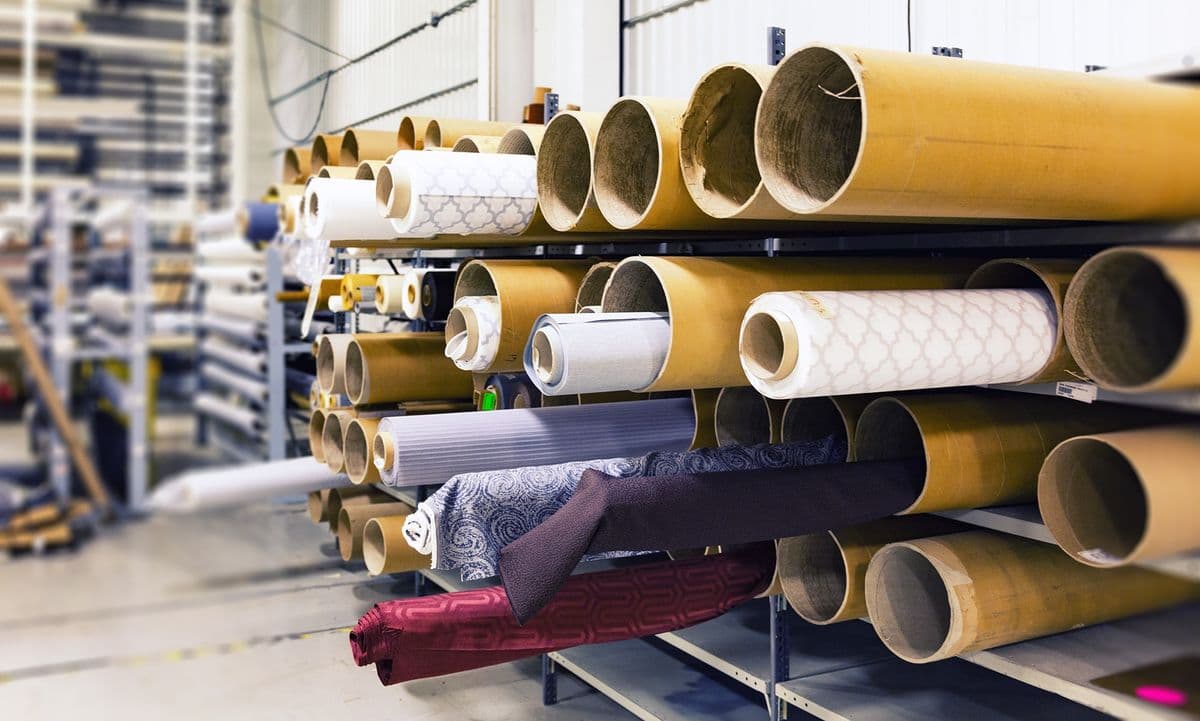
Textile wet processing is unforgiving of bad water. Hardness reacts with dyes and soaps, iron stains fabric, and variation in the water shows up as variation in shade from one batch to the next. For dyeing and processing units in Bhiwandi - a short drive from our Vasai works - and across Maharashtra, treated water is one of the cheapest ways to protect quality and cut reprocessing. We have built water treatment plants since 1996.
- Established
- 1996Established in Vasai, Mumbai
- Countries
- Plants running inNigeria · Ghana · Tanzania · Nepal & many more
- Clients
- Trusted byBisleri · Bailey · Campa · McDowell's · Mantra · Meru Spring
The challenge
What makes this sector different
Hardness spoils dyeing
Calcium and magnesium react with dyes and soaps, causing uneven shades, spots, wasted chemicals and a harsh handle.
Iron stains and damages
Iron causes staining and yellowing, and it accelerates the breakdown of peroxide in bleaching, which damages fibre.
Steam for processing
Dyeing and finishing depend on steam, and boilers need soft feed water to avoid scale.
Batch-to-batch consistency
When the water changes, the shade changes. Consistent water is part of consistent quality.
Why hardness matters in dyeing
Calcium and magnesium ions react with many dyes, soaps and auxiliaries to form insoluble compounds. The result is uneven dyeing, spots and deposits on the fabric, a harsher handle, and chemicals wasted on reacting with the water instead of doing their job. Softening the process water removes these ions and makes results far more repeatable from batch to batch.
Iron and other contaminants
Borewell water around textile clusters often carries iron. Beyond staining and yellowing, iron catalyses the decomposition of hydrogen peroxide during bleaching, which wastes chemical and can weaken or damage the fibre. Iron has to be removed before the softener, both for the fabric's sake and to protect the softener resin.
| Duty | Requirement | Typical route |
|---|---|---|
| Dyeing and processing | Low hardness, low iron | Pre-filtration and iron removal, then softening |
| Bleaching | Very low iron | Iron removal and softening |
| Boiler feed | Soft water | Softener, or DM for higher-pressure boilers |
| Sensitive shades | Low dissolved solids | RO on the process water |
Iron in process water does more than stain: it breaks down peroxide in bleaching, which damages fibre and wastes chemical.
Sizing for batch processing
Demand in a processing unit is uneven - it rises sharply as machines fill. Softened water storage sized to cover those peaks lets the treatment plant run steadily, and regeneration is scheduled around the shift pattern so treated water is always available when the machines need it.
What we need to quote
The water source and a recent analysis showing hardness, iron and TDS, daily consumption and peak demand, the number and type of machines, and the boiler details. Units in and around Bhiwandi are close to our works, so we can survey on site.
Equipment
Systems we supply for this sector
The equipment below covers most requirements in textile. Where the duty is unusual, we design against the specification instead.
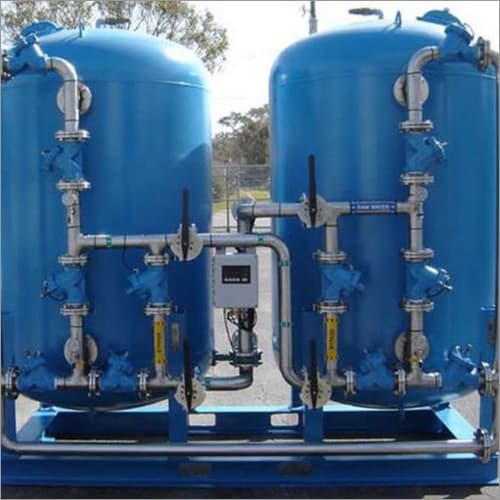
Water Softening Plant
Automatic water softening plants for boilers, cooling towers, hotels and housing societies. Removes hardness from borewell water. Made in Vasai since 1996.View specifications →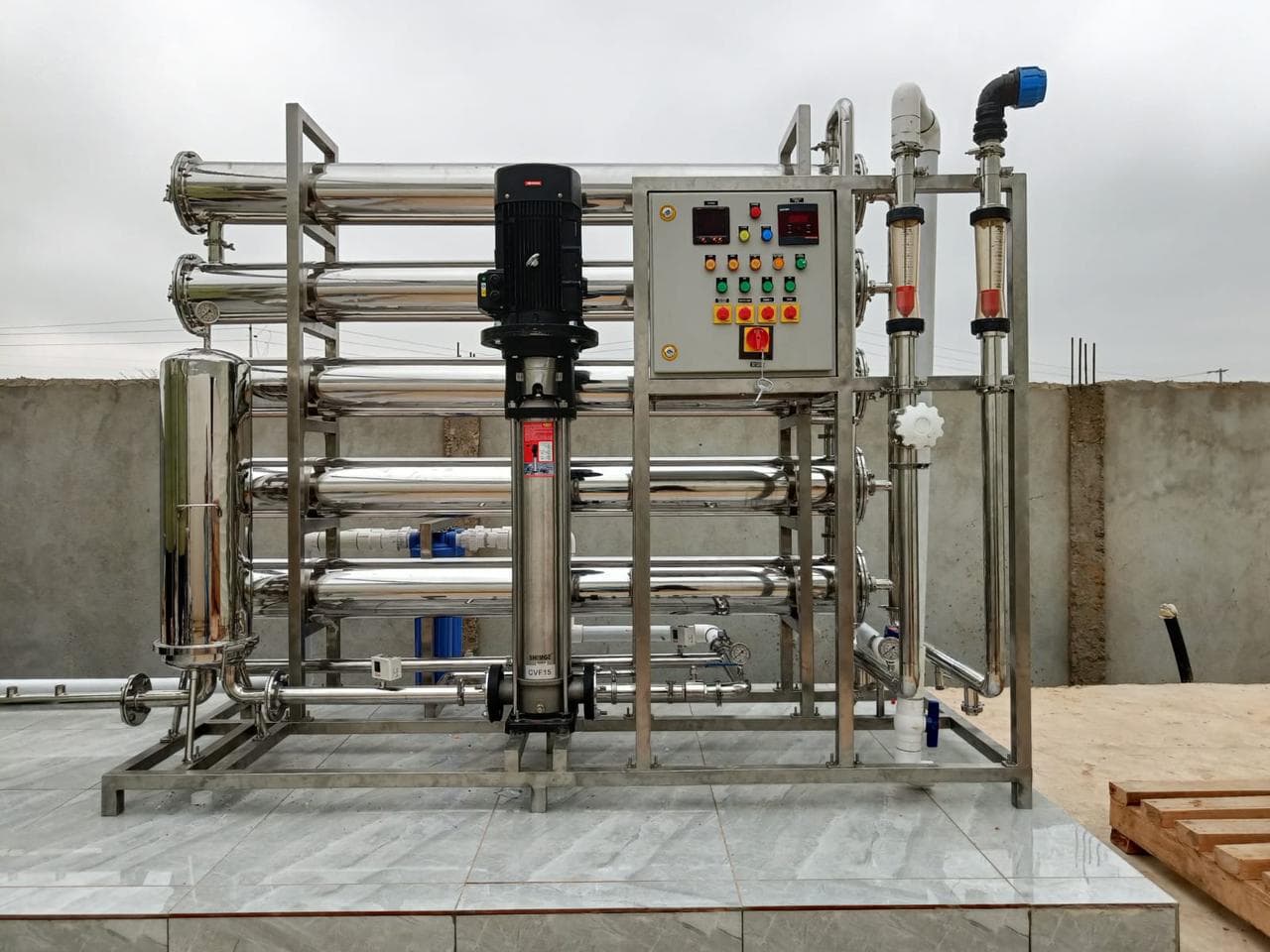
Reverse Osmosis Plant (RO)
Industrial and commercial RO plants up to 10,000+ LPH for factories, hotels, hospitals and housing societies. Built in Vasai, Mumbai since 1996.View specifications →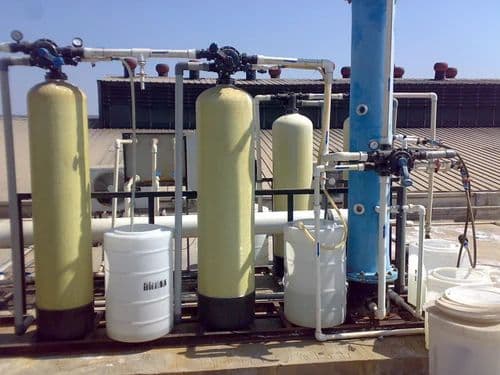
Demineralized Plant (DM)
Two-bed and mixed-bed DM water plants for boiler feed, pharmaceutical and process water. Manufactured in Vasai, Mumbai since 1996, with plants in Nigeria, Ghana, Tanzania, Nepal and many more.View specifications →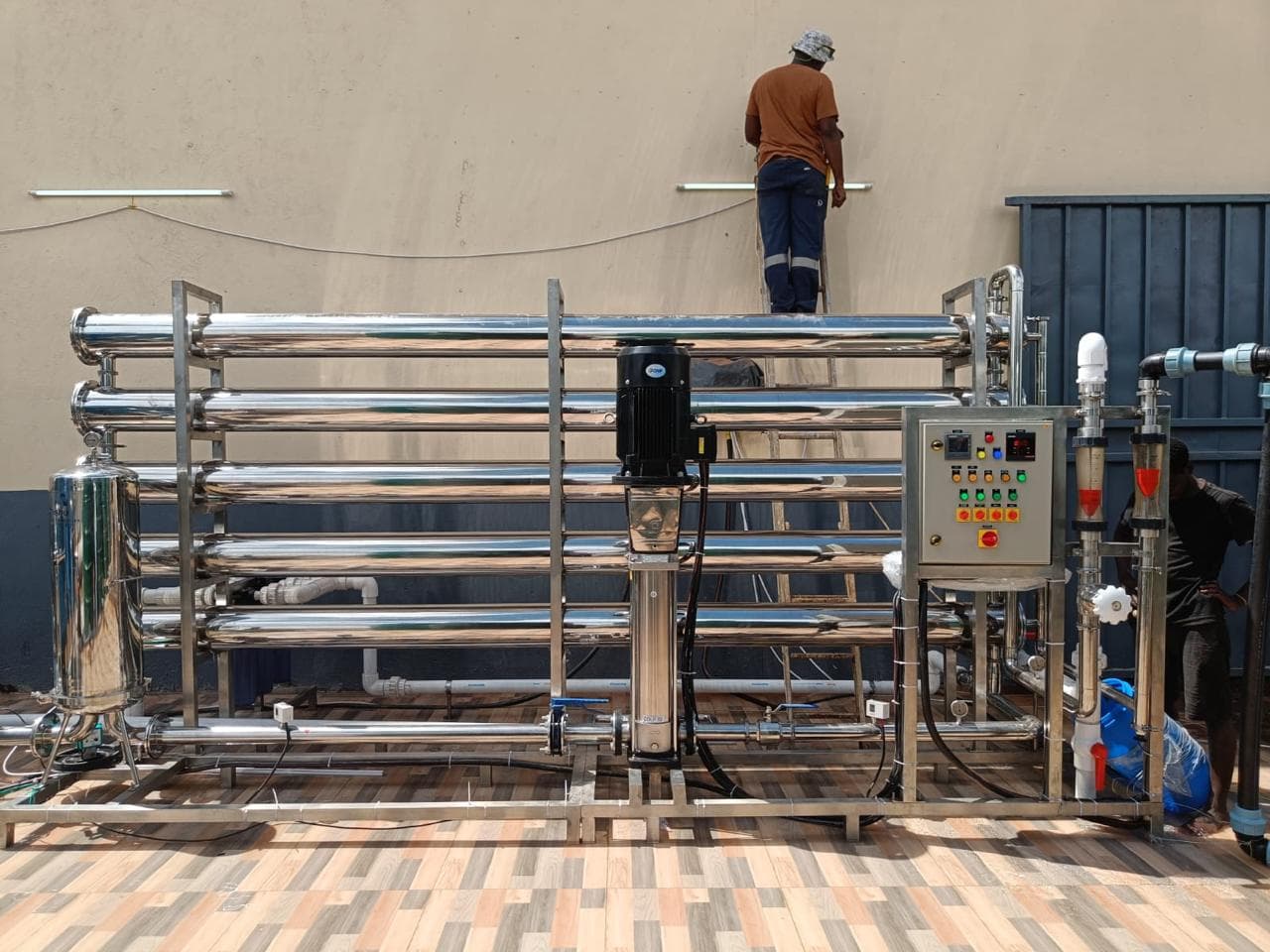
AMC & Plant Maintenance
Annual maintenance contracts for RO, DM and softening plants: scheduled servicing, membrane cleaning, resin checks and genuine spares. Vasai, Mumbai, Thane.View specifications →FAQ
Frequently asked questions
Can't find your answer? Call or WhatsApp us and we'll answer it.
Why do textile units need soft water?
Hardness reacts with dyes, soaps and auxiliaries, causing uneven dyeing, spots and wasted chemicals. Soft water gives more consistent shades and lowers chemical consumption.
Does iron in water affect dyeing and bleaching?
Yes. Iron stains and yellows fabric and accelerates the breakdown of hydrogen peroxide in bleaching, which damages fibre. It should be removed before the water reaches the process or the softener.
Softener or RO for a textile unit?
Most dyeing and processing needs softened, iron-free water. RO is added where lower dissolved solids are needed for sensitive shades or specific processes.
Do you install water treatment plants in Bhiwandi?
Yes. Bhiwandi is a short drive from our works in Vasai, so we can survey your unit, test the water and install on site.
Keep exploring
Other industries we serve
Get a quotation
Send us your water analysis. We'll size the plant.
Tell us the source, the daily demand and what the water is for. We reply with a recommended treatment train and a quotation.