RO Plants & Water Treatment for Food and Beverage Factories
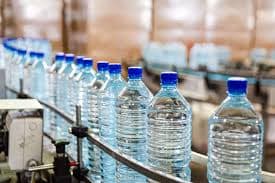
In food and beverage production, water is the largest ingredient by volume and the one that decides whether the product tastes the same in March as it did in October. It is also the input most exposed to seasonal variation in the borewell or municipal supply. Our plants run in beverage and packaged drinking water facilities for Bisleri, Bailey, Campa, McDowell's and Meru Spring, and we have been building them since 1996.
- Established
- 1996Established in Vasai, Mumbai
- Countries
- Plants running inNigeria · Ghana · Tanzania · Nepal & many more
- Clients
- Trusted byBisleri · Bailey · Campa · McDowell's · Mantra · Meru Spring
The challenge
What makes this sector different
Taste consistency across seasons
Feed water TDS and hardness shift through the year. Without correction, the product profile shifts with it — and consumers notice before your QC does.
FSSAI licensing and testing
Packaged drinking water is a high-risk food category under FSSAI, with inspections, third-party audits and compulsory laboratory testing. Failing a sample is not just a quality problem, it is a licensing problem.
Production cannot stop
A bottling line idle because the RO is in CIP is lost output. Plants have to be sized so maintenance fits inside the schedule.
Disinfection without aftertaste
Chlorination leaves a taste. Ozonation gives you microbial control that decays to oxygen and leaves the product profile alone.
Sizing for a bottling line, not for a building
The most common sizing mistake in beverage plants is quoting against nominal line speed. Real consumption includes rinse water, CIP cycles, the RO reject stream and line losses — and those can add a substantial fraction to what the membranes actually have to produce. Size against measured consumption across a normal production week, then divide by the hours the plant will genuinely run.
We generally size beverage plants for 16 to 20 hours of operation rather than 24. That is not conservatism; it is what leaves a window for membrane flushing and CIP without stopping the filling line. A plant sized for 24 hours has no maintenance window at all.
Recovery rate matters as much as capacity. At 50% recovery a 10,000 LPH product stream needs 20,000 LPH of feed — which the borewell may not deliver in summer.
Remineralisation: why pure water is not the goal
RO permeate is close to pure, and pure water tastes flat. For packaged drinking water, IS 14543 sets limits rather than requiring maximum purity, and a controlled mineral dose is what gives the product its characteristic taste. This is the step that separates a water plant from a beverage plant: blending a measured fraction of treated feed back into the permeate, or dosing minerals to a defined recipe, so that every batch matches the last one.
The same logic applies in dairy and food processing, where water hardness affects everything from equipment scaling to the behaviour of the product itself. Softening ahead of the process is usually about protecting the plant; RO is about controlling the ingredient.
A complete packaged drinking water line
- Raw water storage, multigrade sand filtration and activated carbon filtration.
- Water softening or antiscalant dosing to protect the RO membranes.
- Micron cartridge filtration.
- Reverse osmosis sized on measured demand and feed TDS.
- Mineral dosing or controlled blending to the product recipe.
- Ozonation to a controlled residual at the storage tank, with UV sterilisation before filling.
- Automatic rinsing, filling and capping matched to the line speed.
Ozonation and the residual that matters
Ozone is the disinfection route of choice in packaged drinking water because it is powerful, it leaves no chemical residue, and it decays back to oxygen. The operational detail that decides whether it works is residual at the point of filling — enough to protect the bottle through its shelf life, not so much that the product carries an odour when opened. A residual in the region of 0.2 to 0.4 ppm at filling is the range most plants work to.
We supply the ozone generators, contact systems and UV units as part of the line rather than as bought-in components, which means the disinfection stage is sized against your actual tank volume and turnover rather than fitted afterwards.
Turnkey or staged
For a new facility we supply the complete mineral water project — treatment, storage, ozonation and bottling — as a single scope, which avoids the interface problems that come from splitting a line across suppliers. For an existing plant, we more often add capacity or replace a stage. Either way, send us your feed water analysis, target output in litres per hour, bottle formats and line speed, and we will quote against the line rather than against a catalogue.
Equipment
Systems we supply for this sector
The equipment below covers most requirements in food & beverage. Where the duty is unusual, we design against the specification instead.
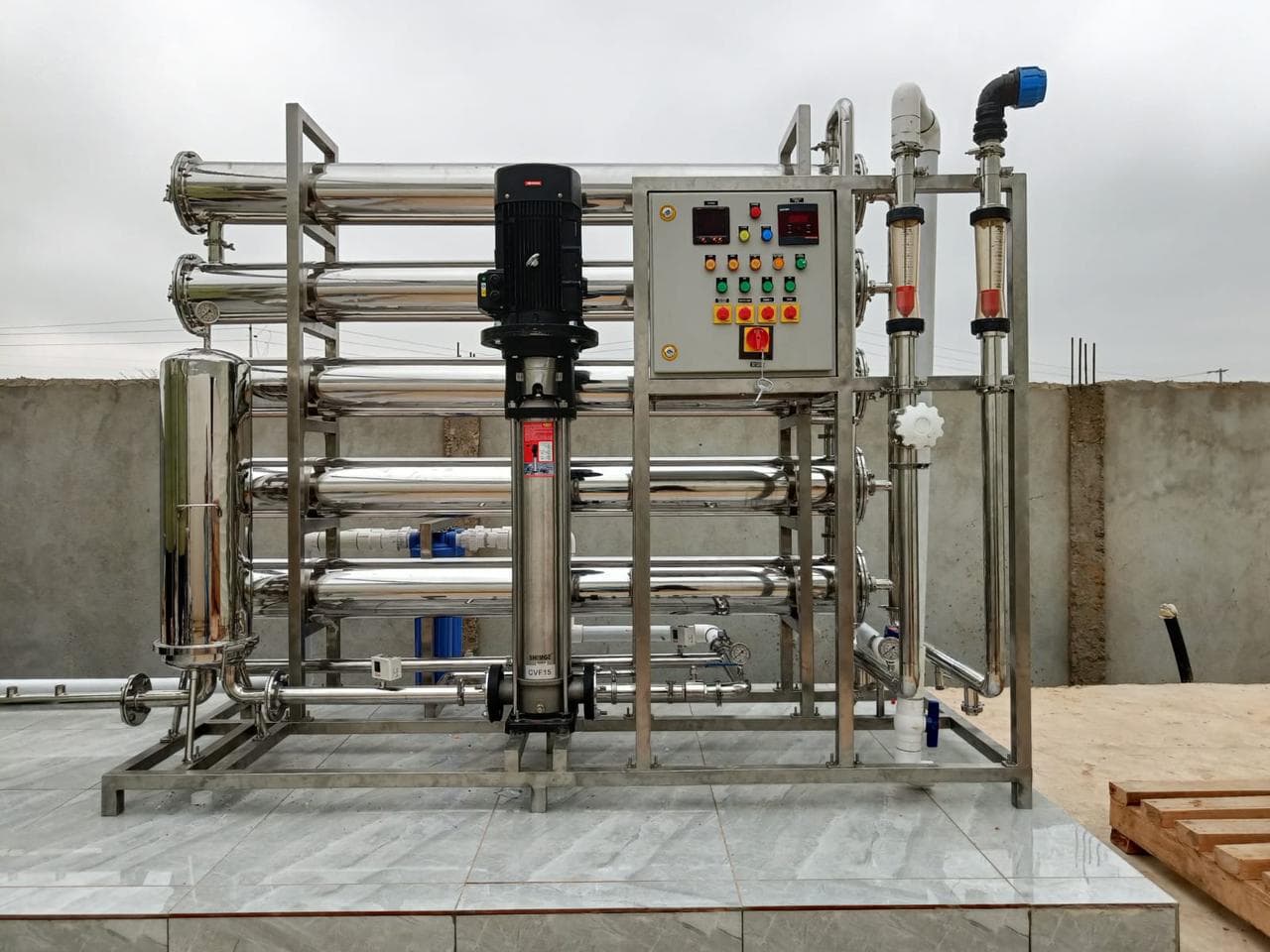
Reverse Osmosis Plant (RO)
Industrial and commercial RO plants up to 10,000+ LPH for factories, hotels, hospitals and housing societies. Built in Vasai, Mumbai since 1996.View specifications →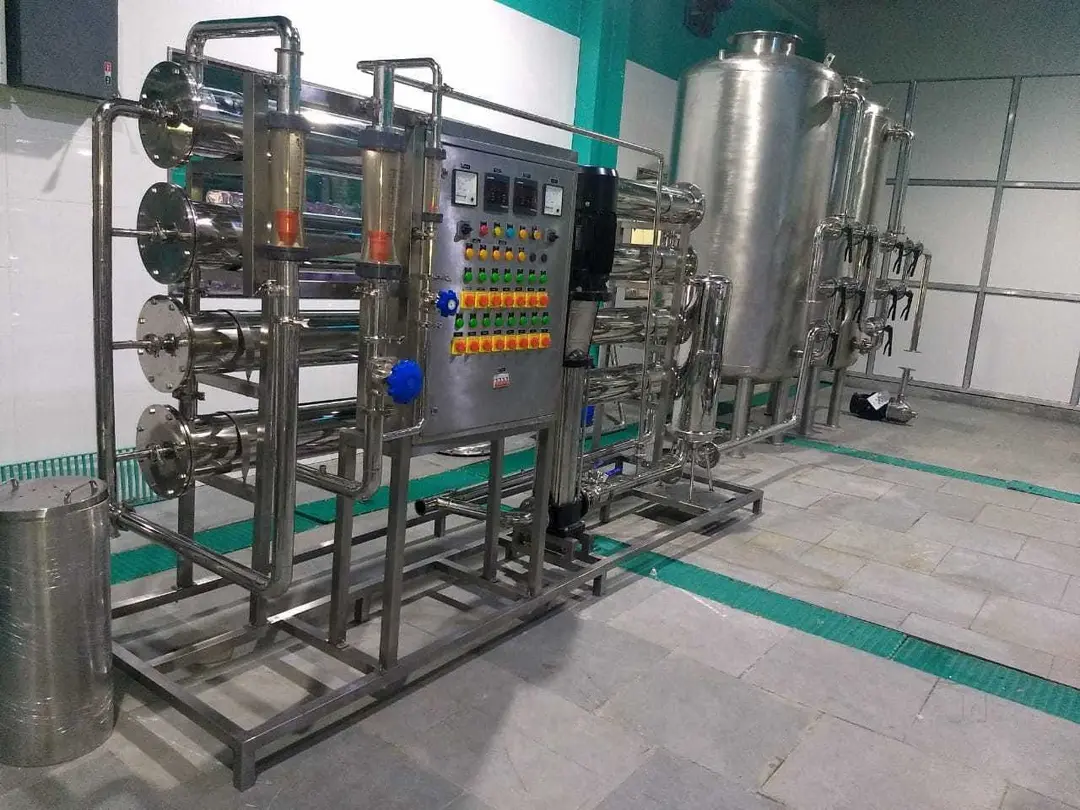
Complete Mineral Water Project
Turnkey packaged drinking water plants: RO, ozonation and bottling, built for FSSAI requirements. Trusted by Bisleri, Bailey and Campa since 1996.View specifications →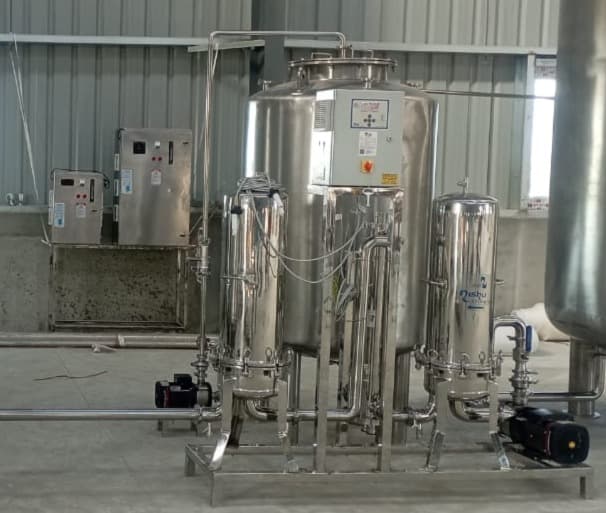
Dosing, Ozonation & UV Systems
Ozone generators for water tanks and bottling plants, UV sterilisers and chemical dosing systems for water disinfection. Manufacturer in Mumbai since 1996.View specifications →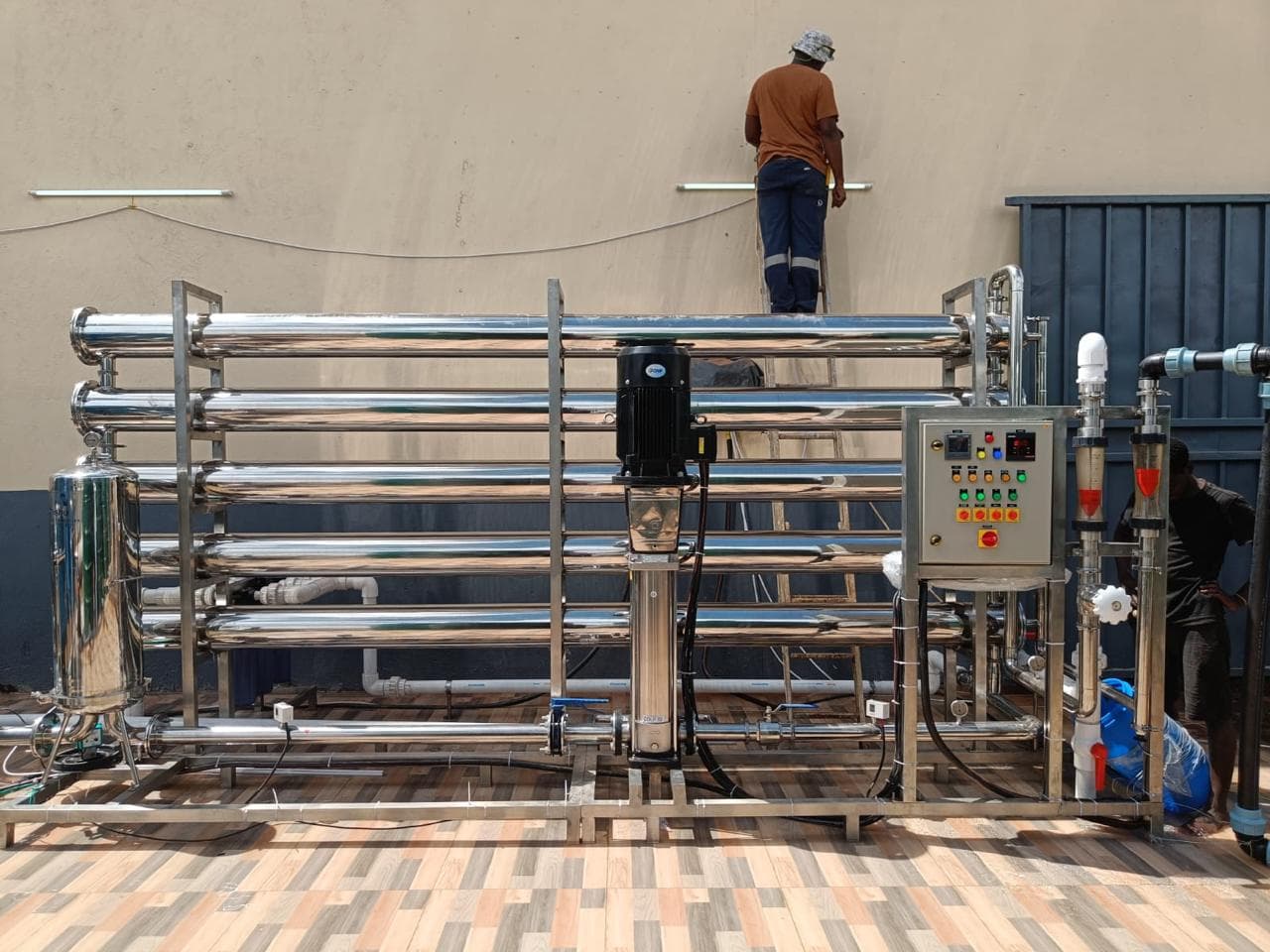
AMC & Plant Maintenance
Annual maintenance contracts for RO, DM and softening plants: scheduled servicing, membrane cleaning, resin checks and genuine spares. Vasai, Mumbai, Thane.View specifications →FAQ
Frequently asked questions
Can't find your answer? Call or WhatsApp us and we'll answer it.
What RO plant capacity do I need for a bottling line?
Size against measured consumption including rinse water, CIP and RO reject — not nominal line speed — then divide by 16 to 20 operating hours a day so maintenance fits inside the schedule. Send us your line speed, bottle formats and feed water analysis and we will size it precisely.
Do you supply complete packaged drinking water plants?
Yes. We supply turnkey mineral water projects covering raw water treatment, RO, mineral dosing, ozonation, storage and the automatic rinsing-filling-capping machine, commissioned as one scope.
Will the plant meet FSSAI requirements for packaged drinking water?
The treatment train is designed around those limits, including the mineral profile and the ozone residual at filling. We build to the specification your licence requires and commission against it.
Why does RO water need remineralisation?
RO permeate is close to pure and tastes flat. Controlled mineral dosing or blending gives the product a consistent, characteristic taste and brings it within the mineral limits packaged drinking water standards expect.
Can you upgrade an existing bottling line?
Yes. Adding RO capacity or replacing an ozonation or UV stage on an existing line is a substantial part of what we do.
Keep exploring
Other industries we serve
Get a quotation
Send us your water analysis. We'll size the plant.
Tell us the source, the daily demand and what the water is for. We reply with a recommended treatment train and a quotation.