Mineral Water Plant Setup in India: What Actually Drives the Cost
What drives mineral water plant setup cost in India: treatment line, bottling speed, FSSAI licensing and testing, utilities and space, and where budgets slip.
By Nishu Enterprises engineering team
Published · Updated · 7 min read
Anyone quoting a single figure for a packaged drinking water plant without asking questions first is guessing. The cost is driven by a handful of decisions, and understanding them is what lets you compare quotations that look wildly different on the surface.
Part of our buyer's guides. Explore turnkey mineral water projects →
The components you are actually buying
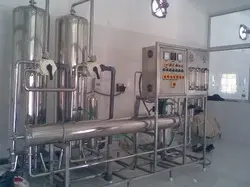
- Raw water treatment — pre-treatment, filtration and softening sized to your source water. A borewell with high hardness needs more here than a municipal supply.
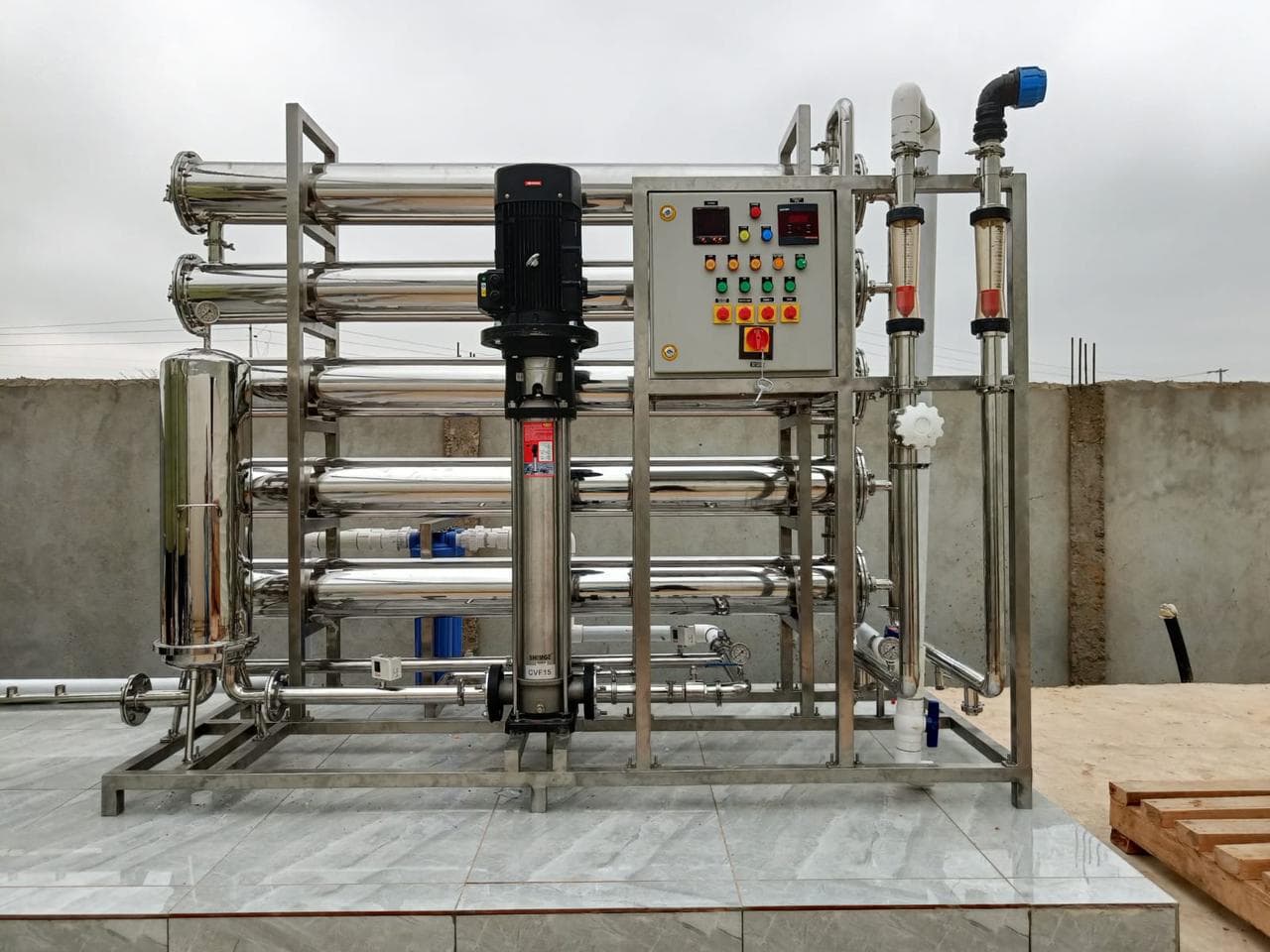
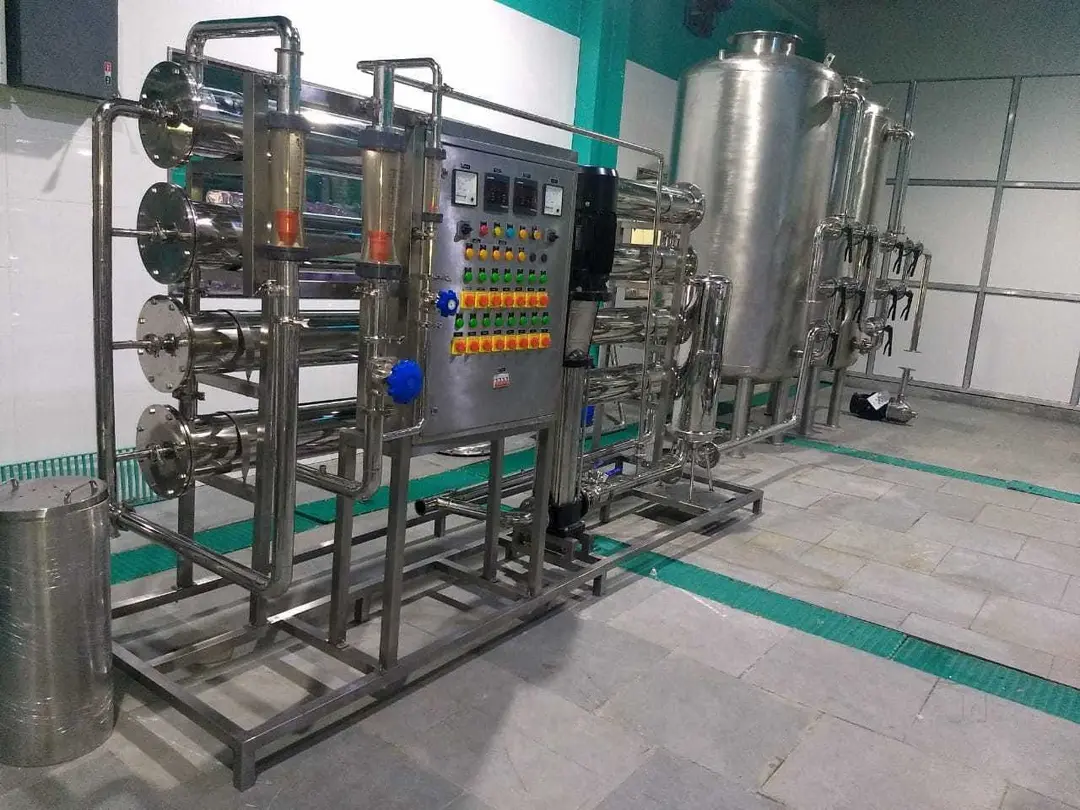
- The RO system — the core treatment stage, sized by the output you intend to bottle.
- Disinfection — ozonation and UV, which keep the product safe through storage without chemical residue.
- Storage and distribution — treated water tanks, pumps and food-grade piping.
- The bottling line — rinsing, filling and capping. This is where costs diverge most.
- Ancillaries — shrink wrapping, labelling, coding, conveyors, crates.
- Utilities and civil work — power supply, flooring, drainage, and a room layout that will actually pass inspection.
Bottling speed is the biggest single lever
Rinsing, filling and capping machines are rated in bottles per hour, and the jump from a modest line to a high-speed one changes the total project cost more than any other choice. Lines commonly run anywhere from a couple of thousand bottles per hour up to 24,000 BPH.
The temptation is to specify for the market you hope to have in three years. The safer approach is to size the bottling line for realistic demand in year one and design the treatment and layout so a faster line can drop in later. Treated water storage is inexpensive; an idle high-speed filler is not.
Pack size matters as much as speed. A line configured for 1 litre bottles is not the same machine as one running 200 ml cups or 20 litre jars. Decide your pack mix before anyone quotes.
Compliance is a cost line, not an afterthought
Packaged drinking water in India needs an FSSAI licence, an in-house laboratory and regular testing. BIS certification is no longer mandatory: FSSAI dropped that requirement in October 2024, made packaged drinking water a high-risk food category from November 2024 (with annual third-party audits for central licence holders), and brought in compulsory testing at FSSAI-notified NABL laboratories from January 2026. Compliance carries real costs — licence fees, laboratory equipment, a qualified chemist, testing charges and a plant layout that satisfies inspection — and it takes time. Projects usually slip on approvals rather than on equipment delivery. Rules in this category change, so confirm the current position with FSSAI or a compliance consultant before you budget.
- FSSAI manufacturing licence
- Testing at an FSSAI-notified NABL laboratory under the compulsory testing scheme
- Annual third-party food safety audit (central licence holders)
- An in-house laboratory with the prescribed testing capability
- Water source approval and periodic testing
- Pollution control consent, depending on your state
What a supplier must ask before quoting
Treat these questions as a test of the supplier. If a quotation arrives without them, it cannot be accurate:
| Question | Why it changes the price |
|---|---|
| Source and water analysis | Decides the entire pre-treatment design |
| Target output per hour | Sizes the RO plant and the bottling line |
| Pack sizes and mix | Different machines and change parts |
| Shifts per day | Decides whether one line is enough |
| Available floor area and height | Constrains layout and conveyor design |
| Power availability | May require a different pump and motor specification |
Where budgets usually slip
Three items are routinely left out of first budgets and then appear later: civil and electrical work at the site, the laboratory and compliance costs, and working capital for preforms, caps, labels and film. Equipment is the visible cost; these are the ones that delay commissioning.
We deliver complete turnkey packaged drinking water projects — raw water treatment through to bottling — built to FSSAI standards, and will quote against your source water and target output rather than a generic package.
Next step
Need this specified for your site?
Send us your water analysis and daily requirement and we will size the plant before quoting.