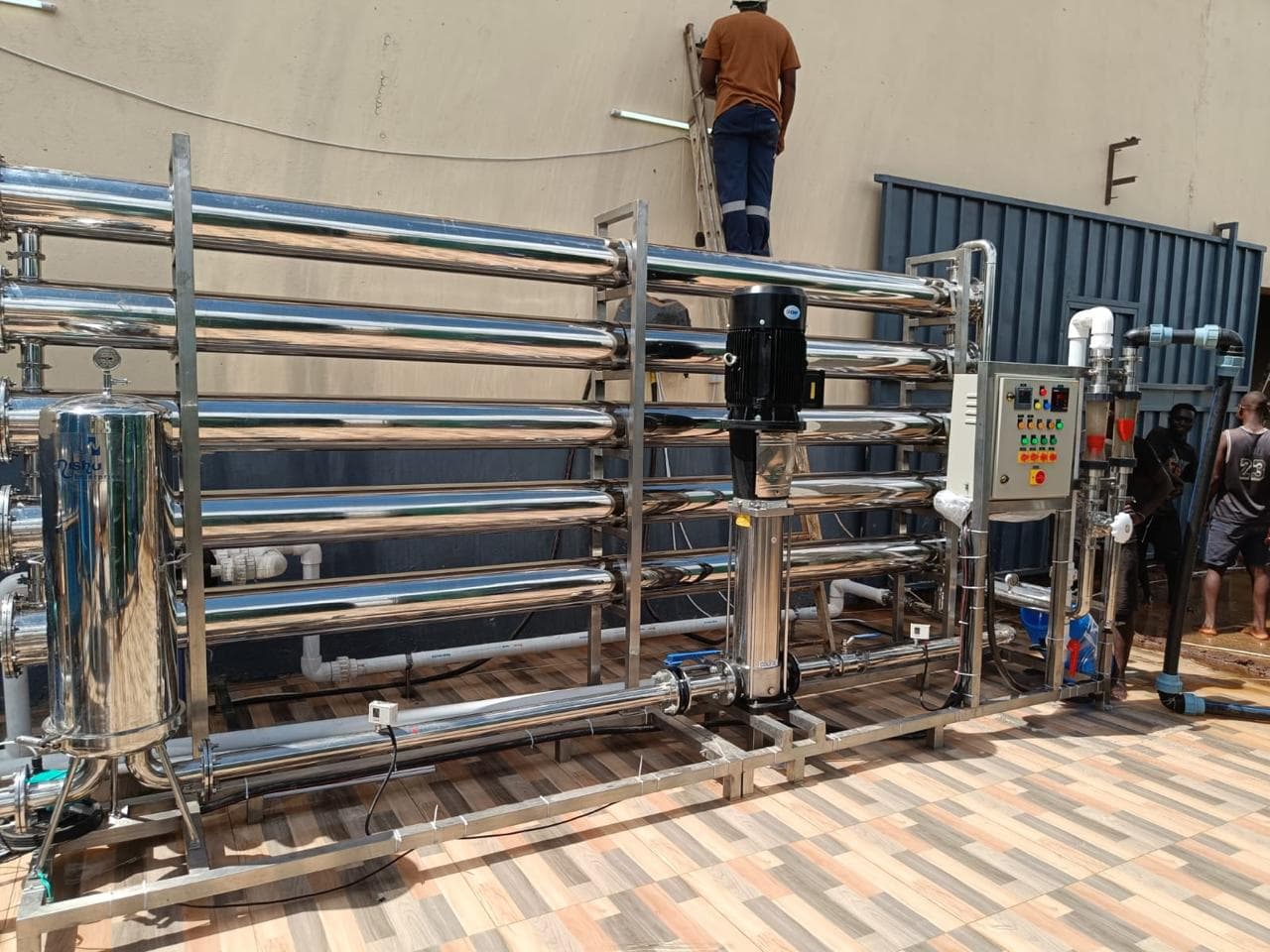
How to Choose the Right RO Plant Capacity for Your Factory
Sizing an industrial RO plant by daily demand, feed water TDS and recovery rate — and the three mistakes that lead to an undersized or oversized plant.
By Nishu Enterprises engineering team
Published · 6 min read
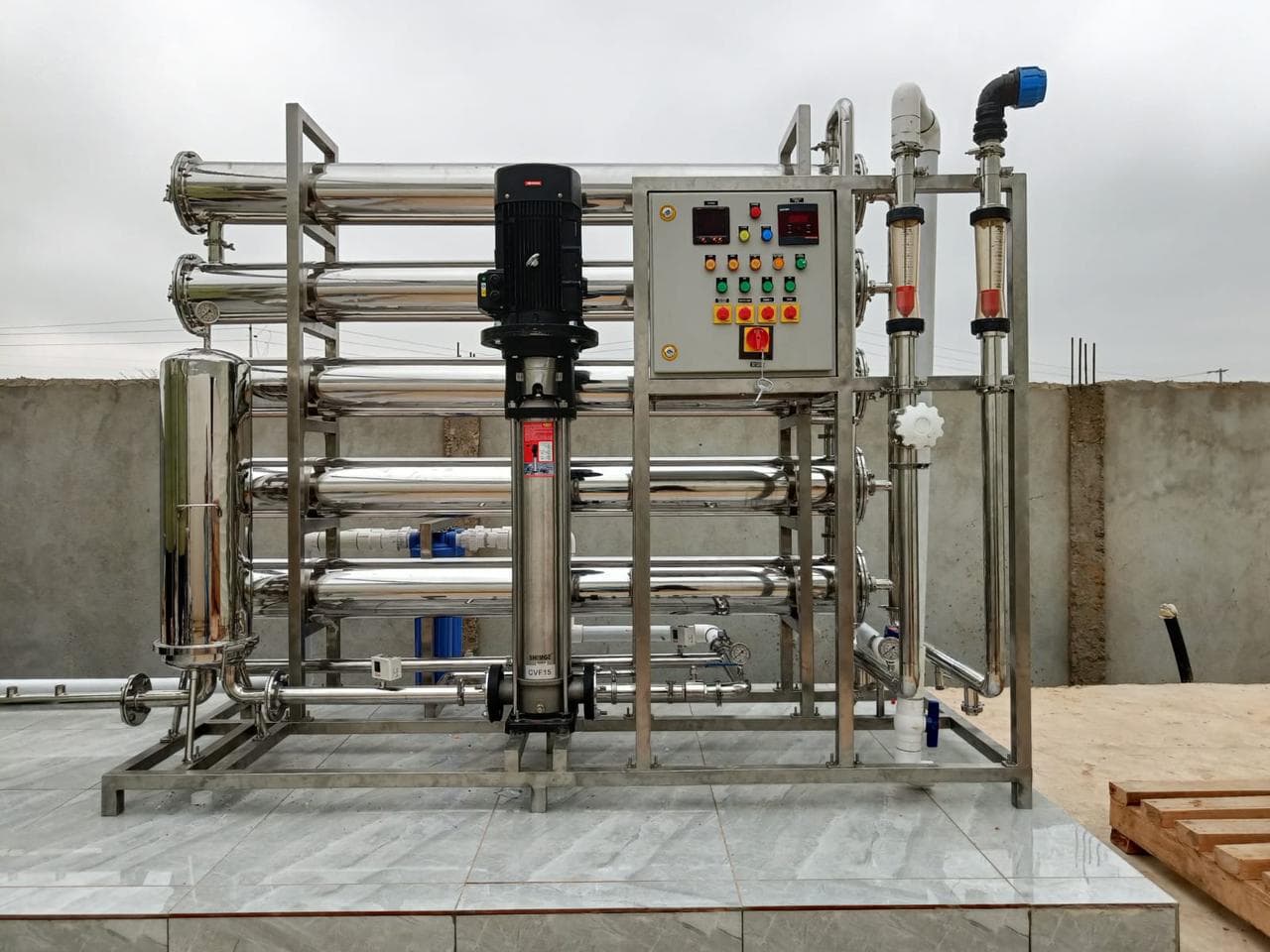
Capacity is the first number anyone asks for and the one most often guessed. Get it wrong on the low side and the plant runs continuously without a maintenance window; too high and you have paid for membranes and pumps that idle. Both mistakes are avoidable with an afternoon of arithmetic before you request quotations.
Part of our buyer's guides. See our RO plant range →
Start with consumption, not with plant sizes
Work out how much treated water your process genuinely consumes in a day, measured rather than estimated. Take meter readings across a normal production week, not a quiet one. Then add the water your process wastes: rejects, rinses, cleaning cycles and any line losses.
Divide that daily figure by the hours the plant will actually run. Most industrial installations size for 16 to 20 hours of operation rather than 24, which leaves room for cleaning, membrane flushing and unplanned stoppages without interrupting production.
A plant sized for 24 hours a day has no maintenance window. The first CIP cycle stops your production line.
Then correct for your feed water
Rated capacity assumes a particular feed quality. Your borewell or municipal supply will differ, and two figures change the sizing more than any other:
- Total Dissolved Solids (TDS). Higher TDS means higher operating pressure and lower recovery. A plant rated at a given output on 500 ppm feed will deliver noticeably less on 2,000 ppm feed.
- Recovery rate. This is the share of feed water that becomes product water — commonly 50 to 75 percent for industrial brackish water systems. At 60 percent recovery, 1,000 litres of product water requires roughly 1,650 litres of feed.
- Temperature. Membrane output falls as water gets colder. A plant commissioned in May can underperform in January if it was sized without a temperature correction.
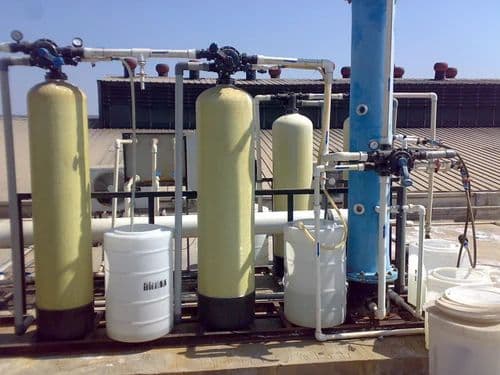
Get a full water analysis before specifying anything. Hardness, iron, silica, chlorides and turbidity all decide what pre-treatment sits ahead of the membranes, and pre-treatment failures — not membranes — cause most early plant problems.
A worked example
| Step | Figure |
|---|---|
| Measured process demand | 24,000 litres/day |
| Add 15% for rinses and losses | 27,600 litres/day |
| Operating hours per day | 18 hours |
| Required product flow | ≈ 1,530 LPH |
| Round up for headroom and fouling | 1,750–2,000 LPH |
The headroom at the end is not padding. Membrane output declines gradually with age and fouling, and a plant specified with no margin will fall below your requirement long before the membranes are due for replacement.
Three mistakes worth avoiding
- Sizing from peak demand instead of daily volume. Peaks are better handled with treated-water storage than with a larger plant — storage is far cheaper per litre than membranes.
- Ignoring future expansion. If a second line is planned within two years, specify the skid and piping to accept an additional membrane bank now. Retrofitting later costs more than building the headroom in.
- Specifying capacity without a water analysis. The same rated plant behaves differently on different feed water, and the pre-treatment is what changes.
What to send a manufacturer
You will get a far more accurate quotation — and a comparable one across suppliers — if your enquiry includes daily requirement in litres, intended operating hours, a recent feed water analysis, the source (borewell, municipal or surface), available space, and the quality your process actually needs. Without those, every quotation you receive is an assumption.
We manufacture industrial RO systems up to 10,000 LPH and beyond, and will size a plant against your water analysis before quoting.
Next step
Need this specified for your site?
Send us your water analysis and daily requirement and we will size the plant before quoting.