How to Compare RO Plant Quotations: A Line-by-Line Checklist
Three RO plant quotes, three very different prices. The line-by-line checklist for putting quotations on the same basis before you choose a supplier.
By Nishu Enterprises engineering team
Published · 7 min read
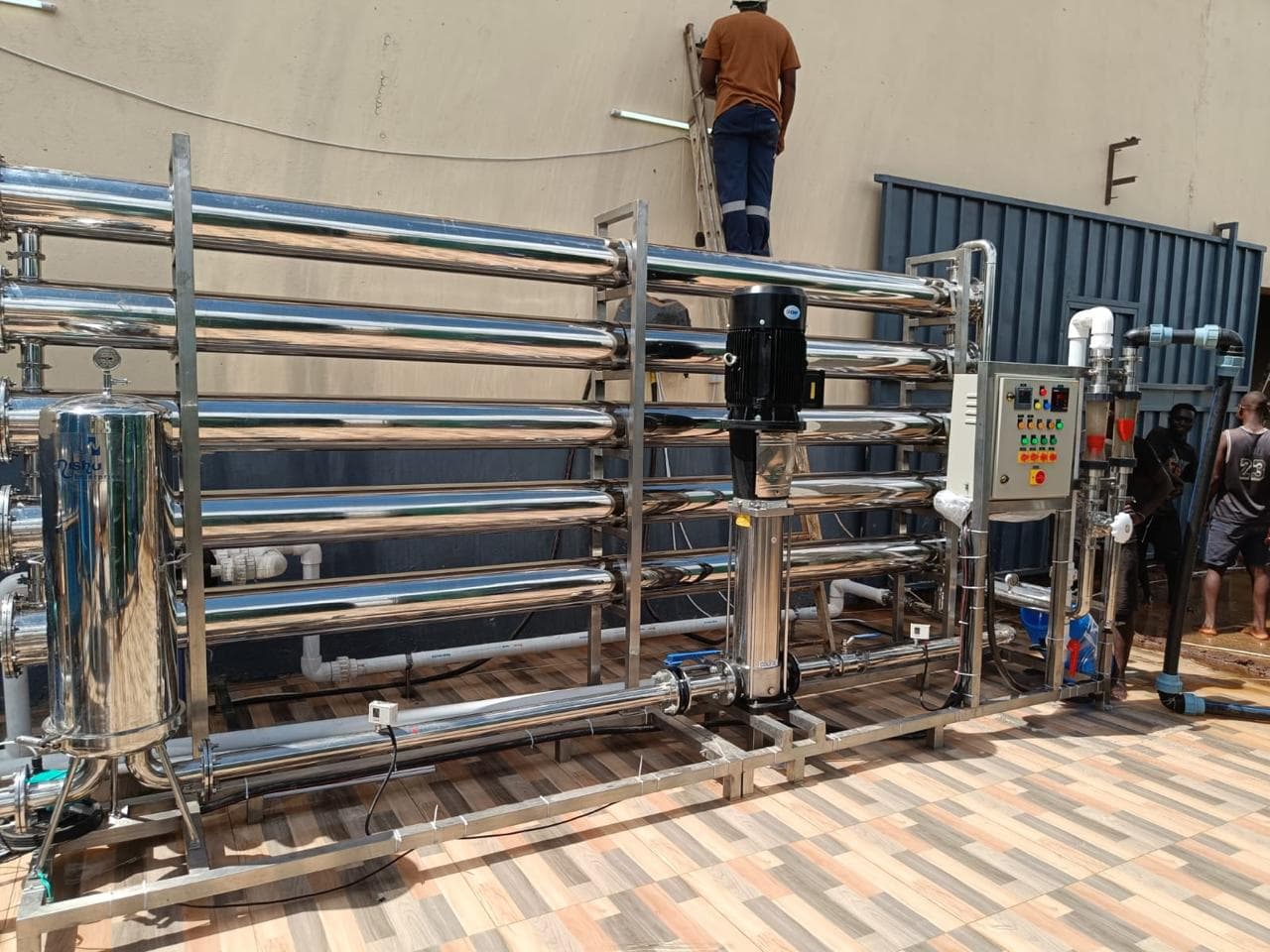
You asked three suppliers for a 2,000 LPH RO plant and the prices are far apart. Almost always, the quotes are not for the same plant: they assume different feed water, different pre-treatment, different membranes and different things left out. Put them on the same basis first, and the price gap usually explains itself.
Part of our buyer's guides. Send us your quotes to review against this checklist →
Start with the design basis
Every RO quotation rests on a few assumptions. If they are not written down, you cannot compare the quotes, and you cannot hold the supplier to the result after installation.
- Feed water analysis used: TDS, hardness, iron, silica and, for surface or tanker water, turbidity or SDI (silt density index, a measure of how quickly the water will foul a membrane).
- Rated output: permeate (treated water) in litres per hour, and the feed TDS and temperature at which that output is guaranteed. Membranes produce less in cold water, so a plant rated at 25 °C will give less in winter.
- Recovery: the share of feed water that becomes treated water. The rest goes to drain as reject. Higher recovery on hard or high-silica water needs antiscalant and careful design.
- Treated water quality promised: permeate TDS or conductivity, and what the water will be used for.
- Operating hours per day the plant was sized for.
Ask each supplier for the membrane projection: the output of the membrane maker's design software for your feed water. It shows the pressures, flows and permeate quality the chosen membranes should deliver. A supplier who cannot produce one is guessing.
Then compare the plant, line by line
| Line item | What to check | Why it matters |
|---|---|---|
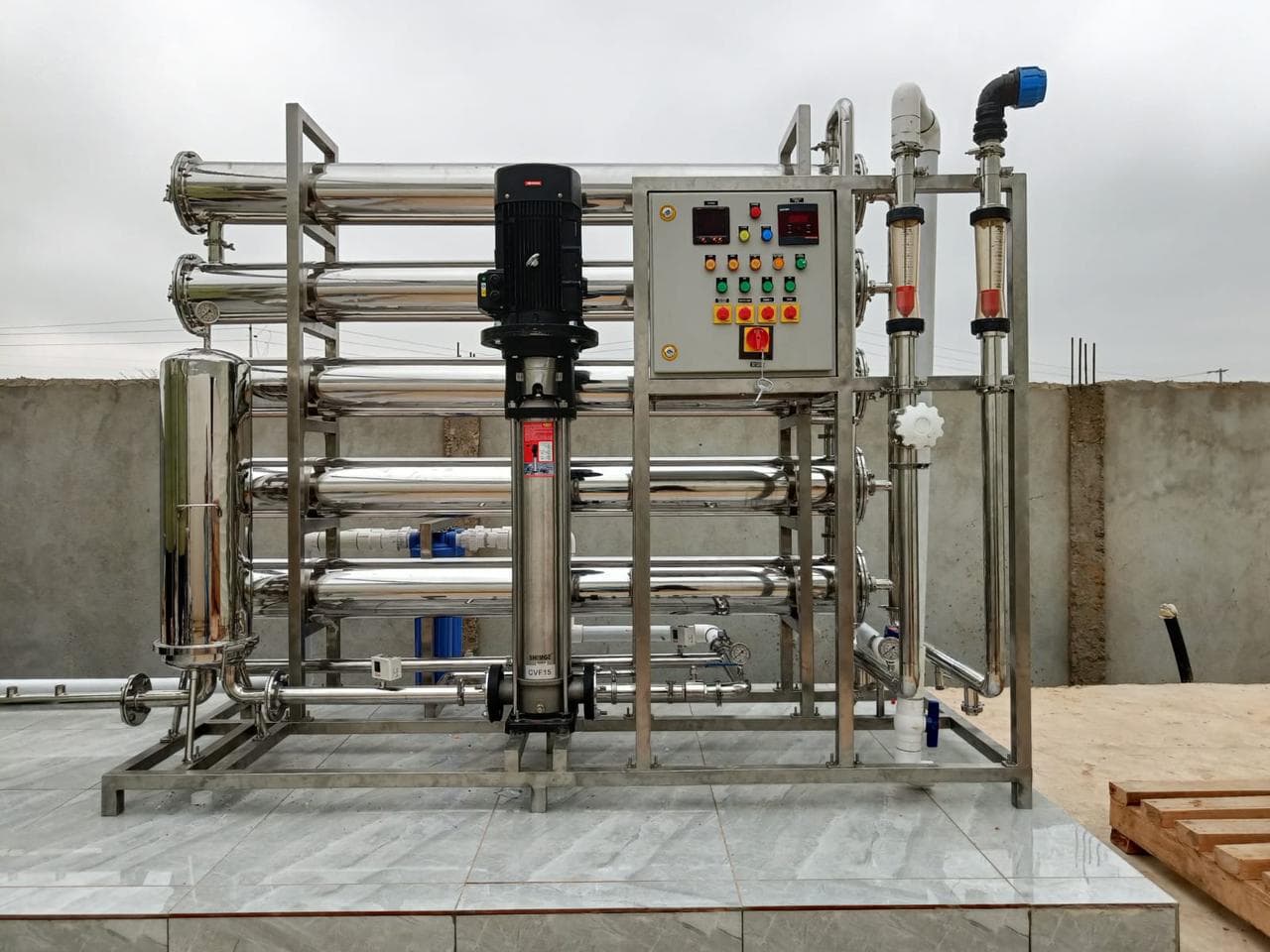
| Pre-treatment | Pressure sand filter, activated carbon filter, softener or antiscalant dosing, cartridge filter rating (usually 5 micron) | Most RO failures start upstream. Skipping pre-treatment is the easiest way to cut a price. |
| Membranes | Make, model, element size (4 inch or 8 inch) and number of elements | Unbranded or too few membranes lower the price and shorten membrane life. |
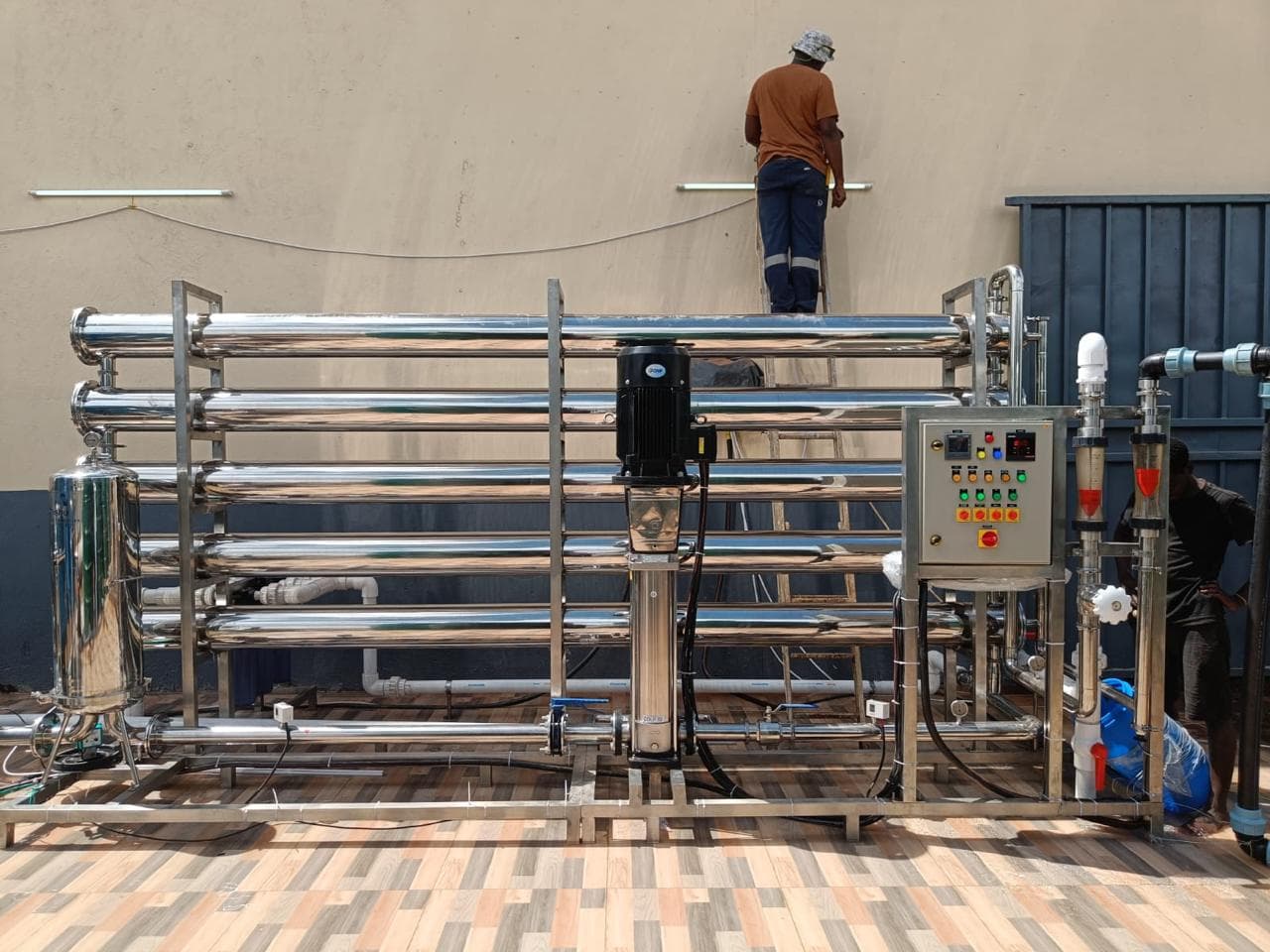
| High-pressure pump | Make, material (SS304 or SS316), flow, head and motor kW | Sets both reliability and the power bill. |
| Membrane housings | FRP or stainless steel, pressure rating | Must suit the operating pressure with a margin. |
| Skid and piping | MS painted or stainless steel frame; UPVC or SS on the high-pressure side | Corrosion and leaks show up in the second year, not at commissioning. |
| Instruments and panel | Pressure gauges, permeate and reject flow meters, conductivity or TDS meter, low- and high-pressure trips, dry-run protection | Without instruments nobody can tell when the plant needs cleaning. |
| Dosing | Antiscalant dosing; SMBS dosing if the feed is chlorinated | Protects the membranes from scale and chlorine damage. |
| Cleaning (CIP) system | Cleaning tank, pump and cartridge housing included or not | Membranes need periodic chemical cleaning. Without a CIP set, each clean is a site improvisation. |
| Tanks | Raw and treated water storage included or not | Often left out of lower quotes. |
| Installation and commissioning | Included, or supervision only | Labour, piping to the point of use and cabling can be a large extra. |
| Taxes and freight | GST, packing, freight, unloading and insurance | A price without them is not the price you pay. |
| Warranty | What is covered and for how long; how membranes are treated | Membranes are commonly excluded or covered only against manufacturing defects. |
| Documents and training | O&M manual, drawings, operator training, first-fill chemicals, spares | Missing items become purchase orders later. |
Red flags
- Output quoted with no feed TDS or temperature attached.
- No pre-treatment offered for water you know is hard, iron-bearing or turbid.
- "All-inclusive" with no list of what is included.
- High recovery promised on high-TDS or high-silica water with no antiscalant and no projection.
- Membrane make described only as "imported" or "standard".
- No instruments beyond a pressure gauge or two.
Compare running cost, not only price
Over five years, the running cost of an industrial RO plant can exceed its purchase price. Ask each supplier for the expected power use per 1,000 litres of treated water, antiscalant and cleaning chemical use, cartridge replacement interval, reject volume per day and expected membrane life on your water. Then add purchase price and five years of running cost for each quote. The cheapest plant to buy is often not the cheapest to own.
Send the same brief to every supplier
Quotes are only comparable when every supplier works from the same information. Send each one the same package:
- A recent water analysis from an accredited laboratory, ideally more than one if the source varies through the year.
- Treated water needed per day and per hour, and the hours the plant will run.
- What the treated water is for: drinking, boiler feed, process, bottling or pharmaceutical use.
- Site details: available floor area and height, power supply, and where reject water can go.
- What you want included: tanks, installation, piping to the point of use, AMC.
With the design basis written down, a line-by-line table and a five-year running cost, the differences between quotes become visible and negotiable. The right choice is the one that meets your water and your hours at the lowest cost of ownership, not the lowest number on the first page.
Next step
Need this specified for your site?
Send us your water analysis and daily requirement and we will size the plant before quoting.